



ViSS publishes two policy briefs
The documents offer a roadmap for safe, sustainable bio-based plastics in Europe
The ViSS project publishes two policy briefs focused on critical gaps and solutions for the EU bio-based plastics sector. The briefs are an essential reading for policymakers shaping the transition to a climate-neutral, circular economy.
Bio-based plastics hold enormous promises for reducing environmental impact and supporting the EU’s climate-neutrality goals. Yet, their adoption remains limited, constrained by unclear regulatory frameworks, insufficient recycling infrastructure, and a lack of standardised approaches to assess safety, sustainability, and end-of-life performance.
The first policy brief explores the Safe and Sustainable by Design (SSbD) framework, showing how sustainability and safety can be integrated from the earliest stages of product development. It demonstrates that bio-based solutions can match conventional plastics in performance and cost, while being fully recyclable and biodegradable. The policy brief highlights innovative approaches to involve value chain actors, tailor assessments to technology readiness levels, and develop practical, easy-to-use indicators for environmental, social, and economic impacts.
The second policy brief addresses gaps in standardisation and regulation. Current standards were largely developed for fossil-based plastics and often fail to reflect the unique properties of bio-based materials. ViSS provides recommendations to harmonise definitions, improve traceability and labelling, align recycling and composting systems, and foster policy frameworks that make bio-based plastics both safer and commercially viable.
Download ViSS SSbD EVALUATION FRAMEWORK AND RECOMMENDATIONS FOR BIO-BASED PLASTICS
These two policy briefs are just the beginning. The ViSS project will continue to release further policy briefs, each tackling critical challenges and solutions across the bio-based value chain, offering policymakers actionable tools to shape a sustainable, circular, and competitive plastics sector.
EDMA magazine publishes ViSS ICT Platform article
A new digital traceability tool for collection, processing and sharing of information across PHBV value chains
ViSS announces that EDMA magazine has published the project latest article, ‘ViSS project: ICT platform for traceability and sustainable decision-making’.
Developed by CETEC, the ViSS ICT Platform brings together traceability, SSbD-based evaluation and public tools to support transparent, safe and sustainable bio-based products and to prevent greenwashing.
Why and how the ViSS ICT Platform works
The ViSS ICT Platform is a digital platform designed to link residues, materials, processes and final PHBV products in real time, responding to data fragmentation, regulatory requirements and the need for reliable information. The platform is built around three interoperable modules:
- The traceability tool, which provides end-to-end tracking of residues, sub-products and PHBV batches;
- The evaluation and decision tool, which applies SSbD indicators, lifecycle and social readiness criteria to support benchmarking and optimisation;
- The public tool, which translates project data into accessible, trustworthy information for consumers and civil society, aligned with the digital product passport approach.
Developed using an agile methodology and a secure, web-based architecture, the platform enables real-time data entry, automatic calculations, graphical visualisation and transparent reporting, helping partners and stakeholders make robust, evidence-based sustainability decisions.
Read the full publication on Zenodo: https://zenodo.org/records/17881508.

ViSS at the BIO4PACK Cluster Workshop to advance sustainable packaging innovation
The event provided a platform to exchange knowledge and explore collaborative approaches to advancing sustainable and circular food packaging
On Thursday, 6 November, the BIO4PACK Cluster Workshop, dedicated to accelerating the transition towards sustainable and circular food packaging in Europe, brought together researchers, innovators, policymakers, and industry representatives.
The 90-minute session provided an opportunity to exchange knowledge and explore how science and collaboration can drive innovation across the packaging value chain. Participants were introduced to the four Horizon Europe projects that make up the BIO4PACK Cluster – ViSS, REBIOLUTION, STOPP, and MAGNO – each contributing unique solutions to reduce dependence on fossil-based plastics, promote circular design, and ensure packaging safety for both people and the planet.
Moderated by Dr. Wael Hamd, Professor at the University of Balamand (Lebanon) and partner in the MAGNO project, the workshop featured project presentations and interactive discussions that highlighted complementary approaches and synergies within the cluster.
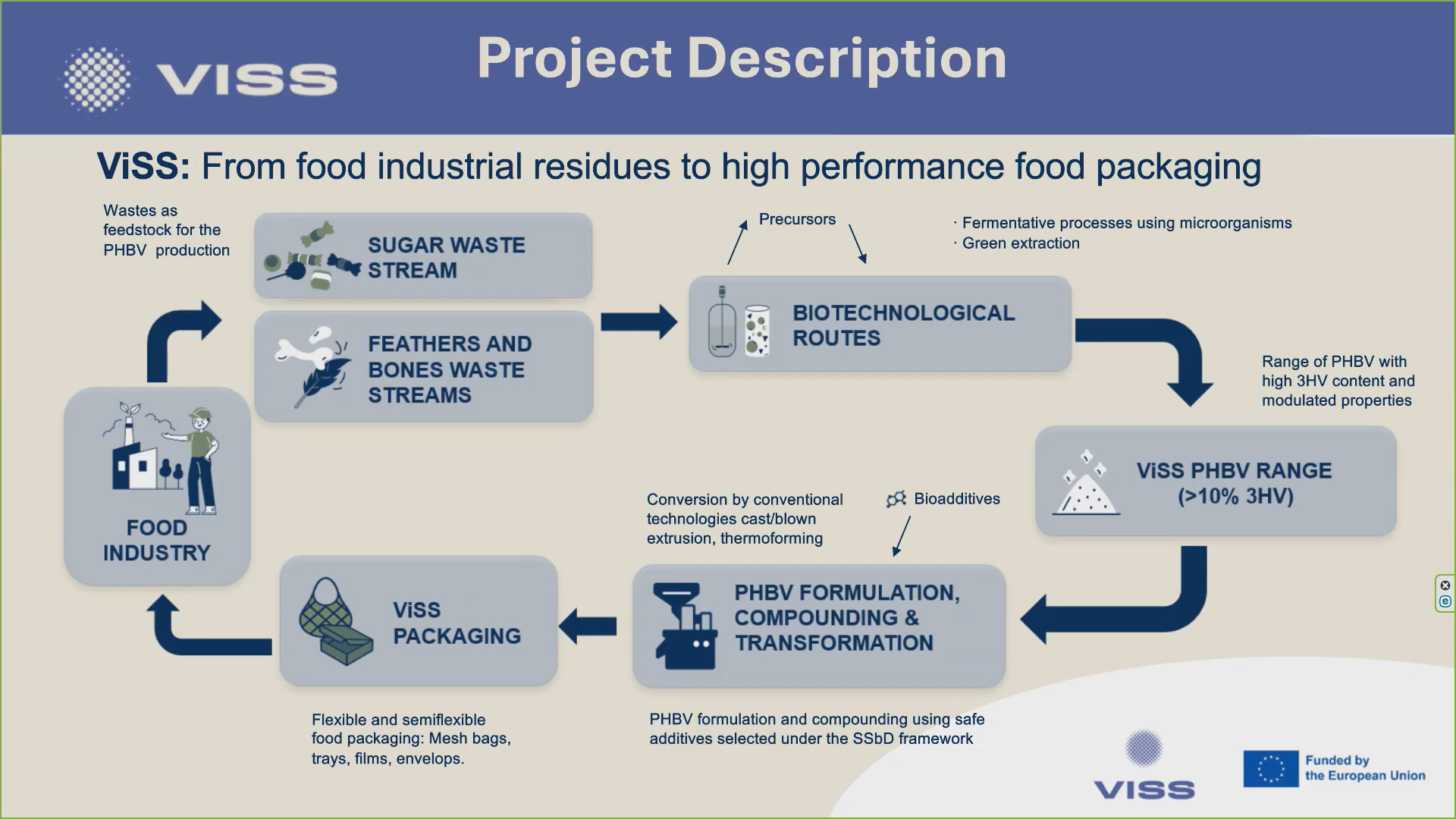
During the event, ViSS presented its advances in developing sustainable packaging materials and solutions that meet industrial performance requirements while minimizing environmental impact. The project emphasized how its research is helping to bridge the gap between scientific innovation and market-ready packaging applications, paving the way for a more sustainable food packaging sector in Europe.
The other BIO4PACK partners also showcased their contributions:
- REBIOLUTION introduced its work on next-generation biopolymers to replace fossil-based plastics.
- STOPP presented research on recyclable, reusable, and biodegradable food packaging for circular use.
- MAGNO shared its integration of digital tools such as traceability systems and digital twins to enhance recycling and decision-making.
Together, these initiatives demonstrate how European research collaboration is shaping the future of food packaging through innovation in materials science, circular design, and digital transformation.
Watch the recording of the workshop!
Open call: join the European Researchers’ Night beach clean-up in El Campello
From research to real impact: out of the lab and onto the shore
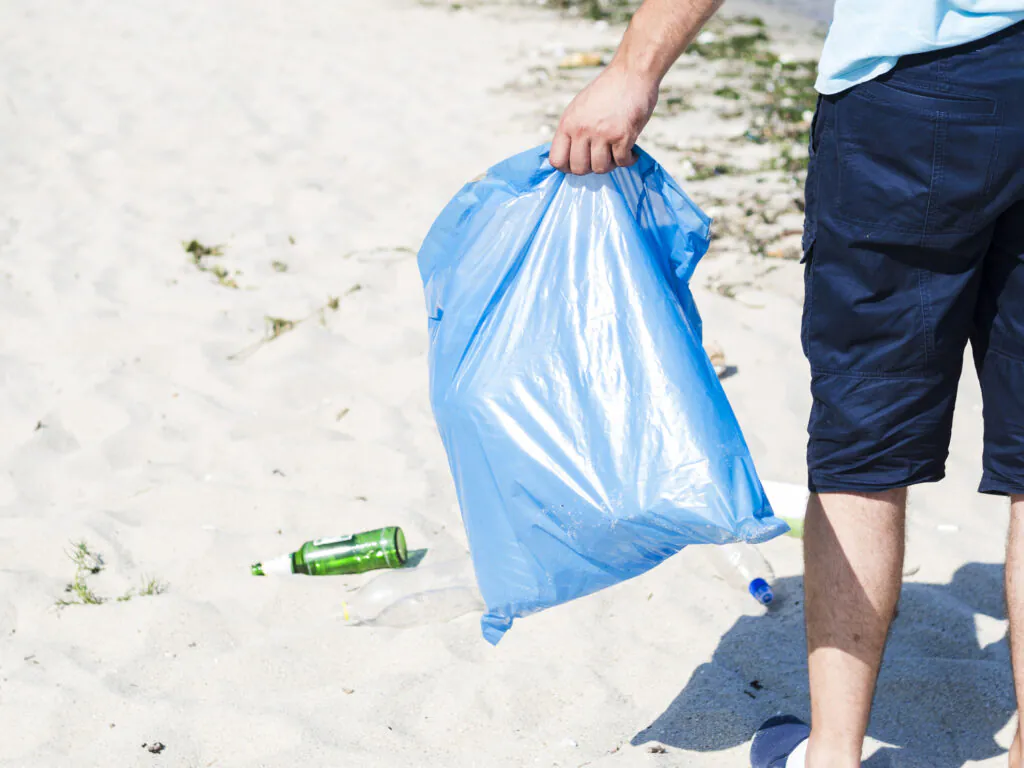
Within the framework of the ViSS project and the European Researchers’ Night, the University of Alicante and its Bioplastics Lab invite the public to take part in a beach clean-up at Playa de Lloma de Reixes (El Campello, Alicante) on 27 September.
The initiative aims to connect scientific innovation with the local community, raising awareness about marine litter while encouraging active participation in environmental protection.
Register here!

ViSS at the Bioeconomy Conference 2025 in Murcia
CETEC will present the project at a regional event dedicated to bioeconomy
The ViSS project is brought to Murcia with the Bioeconomy Conference – a meeting showcasing companies that turn organic matter into bioproducts. Represented by CETEC, project coordinator, ViSS will be introduced as a pioneering initiative applying new technologies to strengthen innovation and entrepreneurship in the bioeconomy sector. CETEC will present the project’s work on the production of bioplastics through biotechnological routes.
The event will highlight how the bioeconomy drives local innovation: transforming agri-food by-products into high-value bioproducts such as functional extracts, active compounds, and bioenergy. It will be an opportunity to explore real examples of applied circularity and sustainable strategies in the sector.
The public event will bring together regional companies, public entities, and leading technology centres to exchange knowledge and explore sustainable strategies for the future.
Join ViSS in Murcia to learn about the future of the bioeconomy!
Register: https://lnkd.in/dJfbaPiy
ViSS consortium meets in Belfeld at Helian Polymers
Two days of project updates, collaboration, and a visit to the PHA production facilities
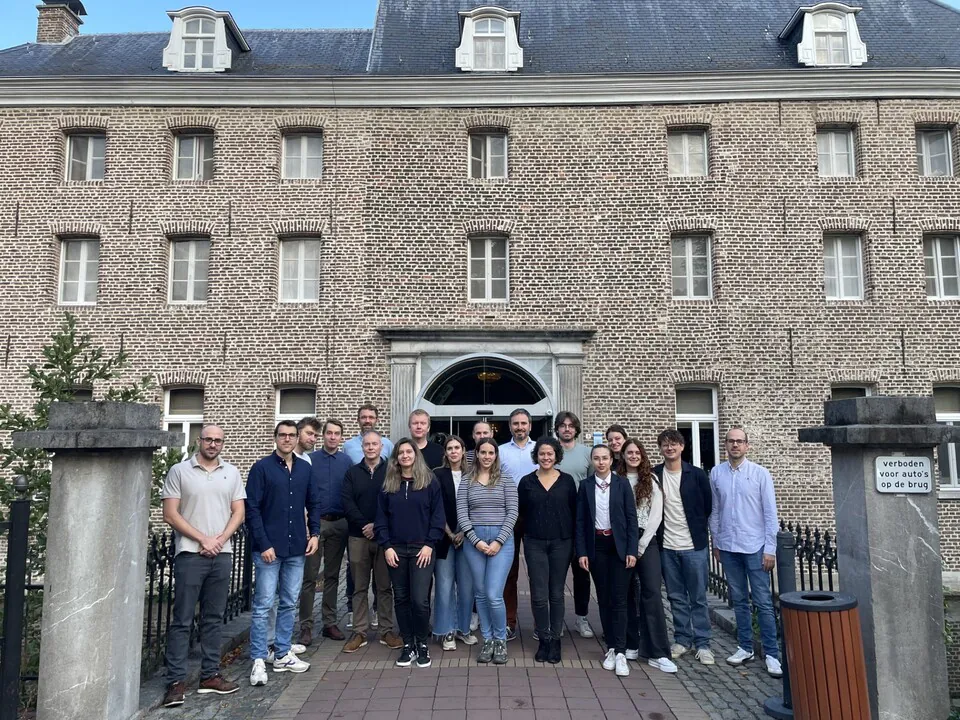
The ViSS consortium met in Belfeld, the Netherlands, for two days of updates and collaboration. The first day focused on updates from all work packages, showing steady progress toward developing the final PHBV-based bioplastic. The first prototype of ViSS plastic trays was unveiled, made possible by the collaboration of Propagroup with Helian Polymers.
A commercially available polymer, comparable to the one under development in the project, was first selected. Based on this, suitable blends were prepared to simulate the formulations that ViSS aims to produce. These blends were then processed to test how they behaved on industrial equipment. Two different mixtures were evaluated: one for flexible film and one for sheet production. The two processing modalities target different applications, with flexible film intended for lightweight, adaptable packaging solutions and sheet production aimed at creating thicker, rigid plastics. The processing was carried out on two types of extrusion lines – blown film extrusion and cast extrusion – in order to compare performance.
Meanwhile, University of Birmingham and VTT contributed with the characterisation of the blends. Their work helped to understand the properties of the mixtures and the effect of the components. Birmingham also developed a plasticising additive, specifically designed to improve processability and support the transformation of the biopolymer into functional products.
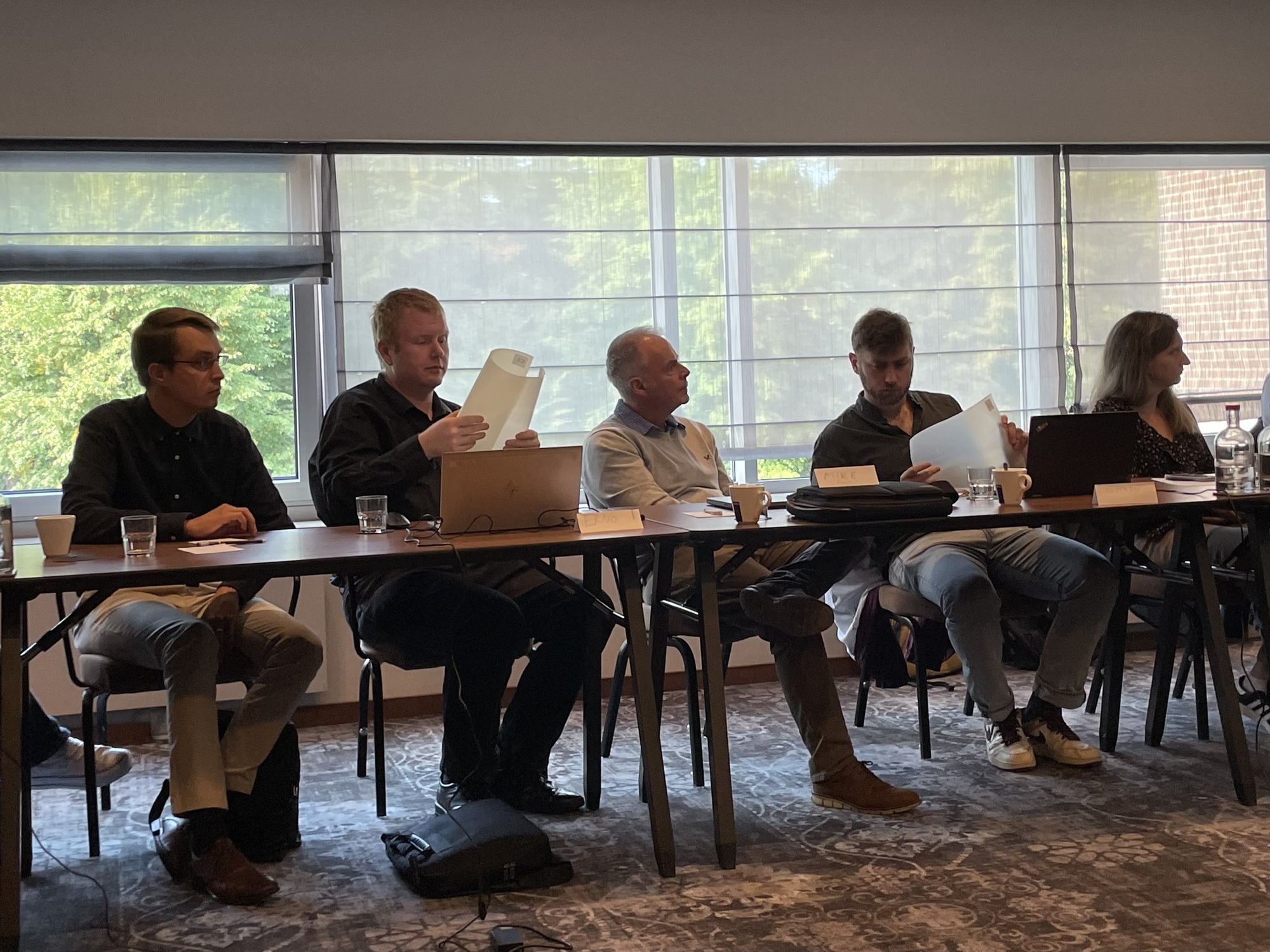
ViSS partners checking out the first ViSS plastic protytoe
All other partners gave their contribution on the work and updated the consortium – CETEC, AITEX, the University of Alicante, Tecnoalimenti, IRIS, Idener, and Zukan. The day concluded with a visit to Helian Polymers, where partners followed the production process of PHAs like PHBV, from raw material to final polymer, and explored the company’s R&D labs and facilities.
On the second day, partners discussed the latest developments and planned the upcoming activities. There is still significant work ahead: materials to be shared, and technical documents in preparation that will guide the next steps and clarify how the project will move toward its results. Meeting in person remains an important way to connect progress across work packages and keep partners working closely together.
ViSS featured in EDMA’s PRj24 magazine
The magazine has published an article showcasing the ViSS project and its innovative approach to tackling plastic pollution through bio-based solutions
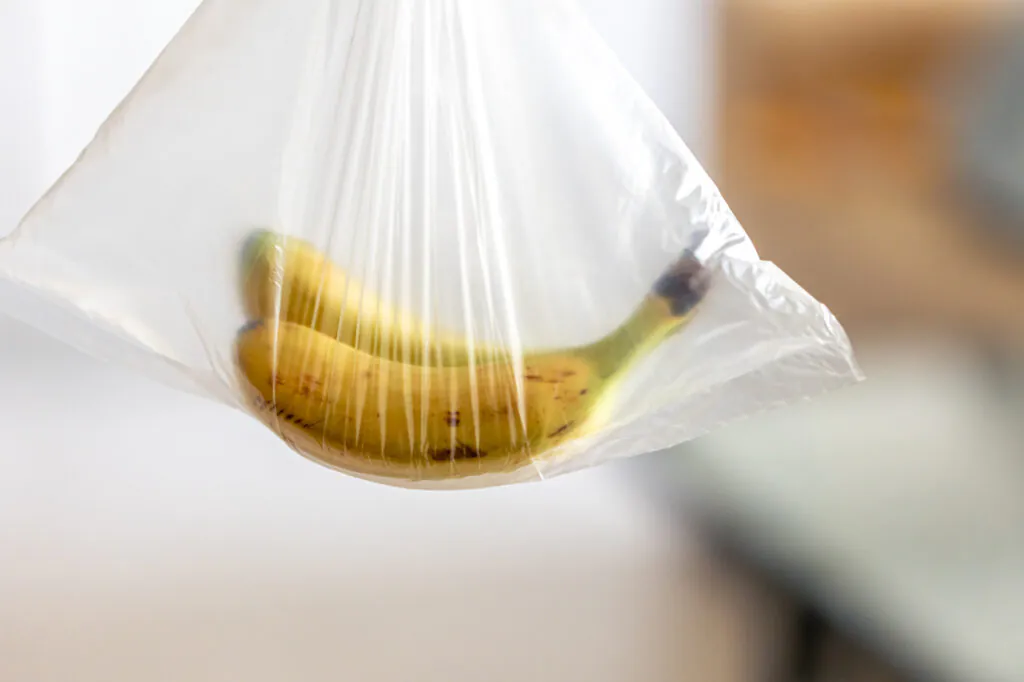
The article highlights how the ViSS project is addressing one of today’s most pressing environmental challenges: the dependence on traditional, carbon-based plastics. By focusing on PHBV, a biodegradable polyhydroxyalkanoate produced from organic residues, ViSS is working to establish a truly sustainable value chain for bio-based polymers.
As it can be read on the magazine, the transition to bio-based materials is crucial, but remains hampered by high production costs, difficulties in maintaining polymer properties, and other barriers to commercialisation. ViSS aims to overcome these hurdles by using food industry residues as feedstock and applying innovative downstream processes to produce the PHBV.
The project is currently developing three types of safe, sustainable, biodegradable, and recyclable packaging – flexible, semi-flexible, and mesh-based formats, demonstrating the potential of PHBV to replace conventional plastics in everyday applications.
Featuring the project in PRj24 not only underscores the innovative edge of ViSS, but also provides valuable visibility within the European dissemination and communication landscape. This exposure strengthens awareness of the project’s objectives and its role in shaping a more sustainable future for materials and packaging.
Read more about ViSS in the article here!
First pilot-scale tests completed for ViSS PHBV biopolymer production
Propagroup SpA and Helian Polymers BV collaborate on initial trials to validate processes for ViSS PHBV
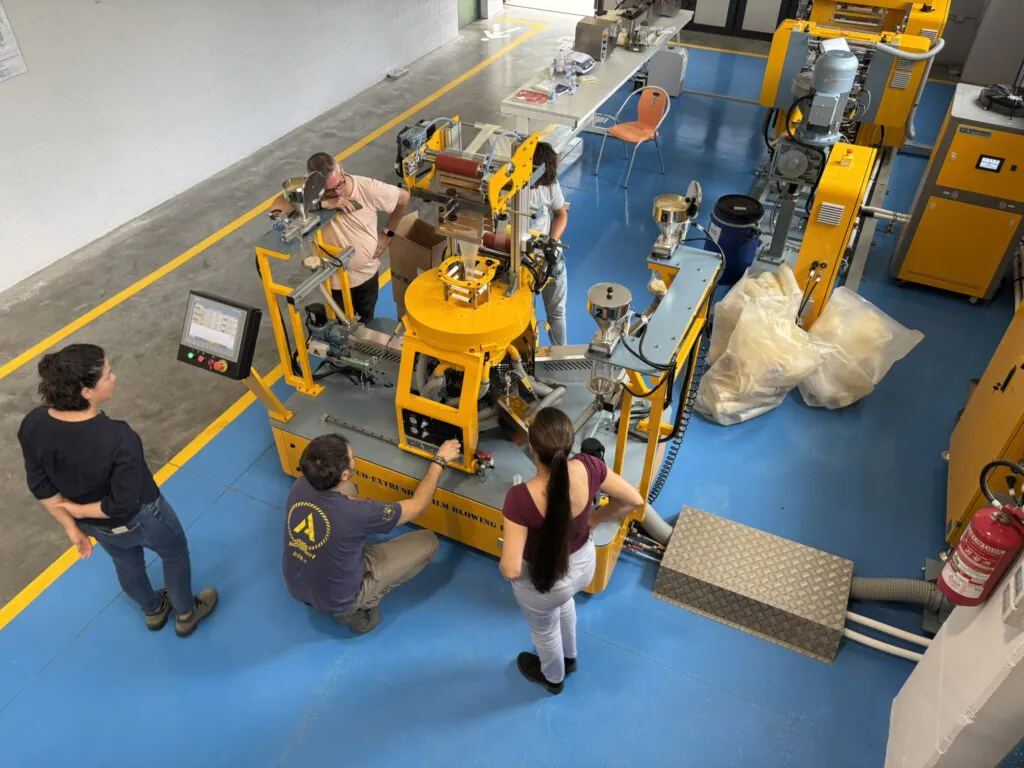
As part of the ViSS project’s work on the demonstration plant for PHBV production, Propagroup SpA and Helian Polymers BV have successfully carried out the first pilot-scale tests aimed at developing and validating processes for the biopolymer transformation. The trials represent a crucial step in preparing the production of PHBV-based biopolymer prototypes in ViSS.
Conducted at Propagroup’s facilities in Turin, the testing phase involved the production of thin films and semi-flexible sheets using commercial PHA granule blends. The objective was to assess equipment setup and process parameters ahead of incorporating ViSS-produced PHBV granules into the final formulation. Thin films were manufactured through blown film extrusion using a three-layer extruder, while sheets for thermoforming applications were obtained via cast extrusion. Both processes serve as key benchmarks in validating the technical feasibility of the PHBV range.
These preliminary trials allowed for initial adjustments and structural optimisation of the production lines and laid the foundation for continued process refinement leading up to full-scale demonstration activities.
This milestone was made possible through the close collaboration between the teams at Propagroup and Helian Polymers. The work was carried out with the valuable contribution of Davide Crapanzano, Renato Mortera, Nydia Badillo Sampedro, Jon Donkers, Ron Kerkhoffs and Sofiya Vynnytska.
Photo credits: Renato Mortera and Davide Crapanzano
ViSS 4th general assembly in Spain: key developments and advancements
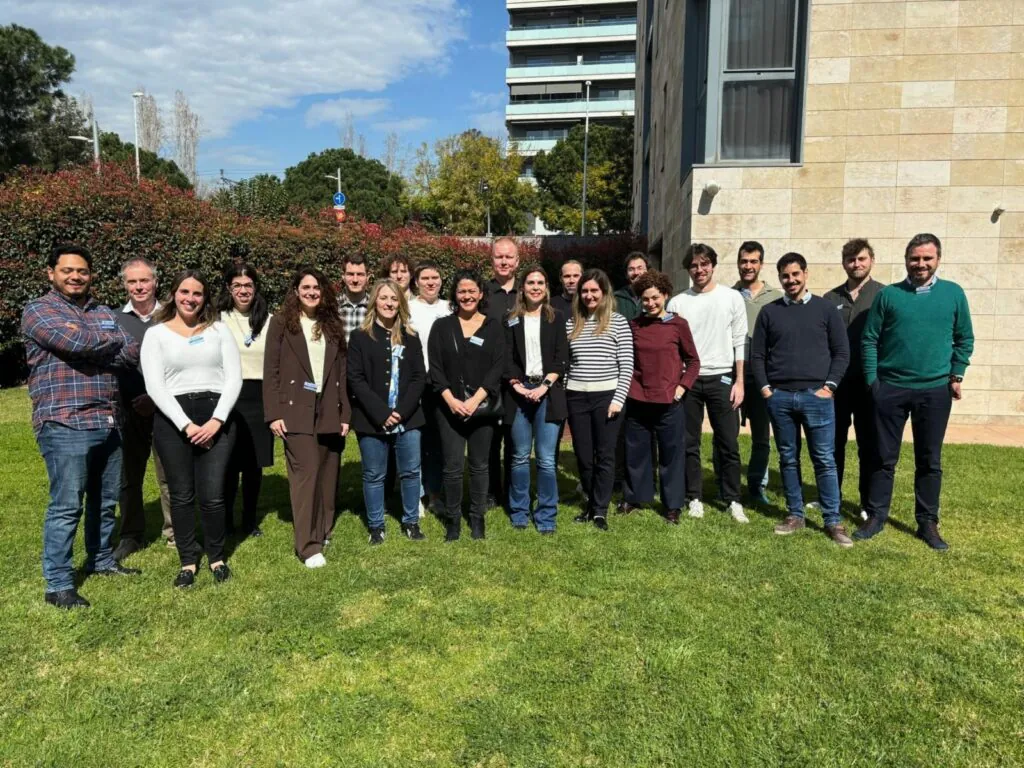
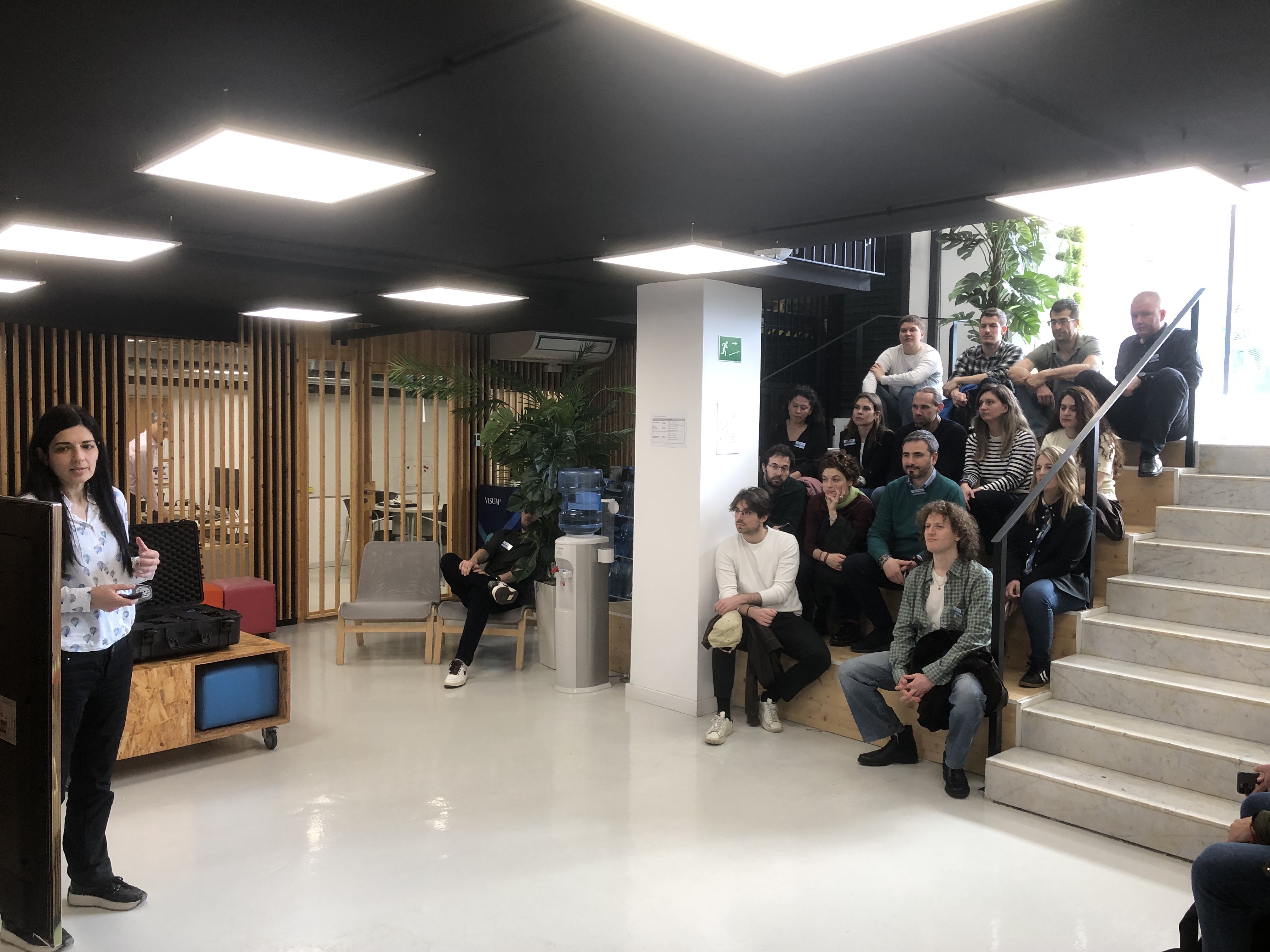
The ViSS Consortium reunited under the stunning spring skies of Barcelona. It was an exciting gathering that marked significant milestones for the partners.
The meeting also covered important technical requirements related to the project’s development. Among the key areas discussed were the residue specifications, defining the profile of the sugar and poultry composition, feedstock requirements needed for the process, additives and formulation necessary for optimal results.
It was also clarified a residue management action plan. This will included protocols for the collection, transportation, storage, and safety management.
The 4th GA continued with a visit to the IRIS Technology Solutions facilities, where we had the opportunity to deepen our understanding of our partners and their work.
Stay tuned for more exciting updates.

ViSS is now on Facebook
ViSS newly joins another social media channel to raise awareness on sustainable food packaging
The project’s partners have decided to embark on a new journey by launching a ViSS Facebook page. The initiative is intended to diversify the project’s social media presence. Supporting the work of the already active LinkedIn page, Facebook will be useful to keep track of the project’s updates and activities.
Beyond reaching a wider and different audience, Facebook will enhance the project’s visibility while fostering connections with the broader European community of bioeconomy projects.
ViSS remains committed to raising awareness about biodegradable materials for food packaging and developing a circular value chain – from raw materials to final product. Our circular approach also underpins the chain of events happening within ViSS: updates and activities are shared on our social media channels to reach a wider public.
Stay updated on the project’s next steps and follow our Facebook page!
Picture credits: Freepik