


From digital tools to data spaces: building trust in circular packaging
ViSS, MAGNO and DATA4CIRC explore digital tools for traceable, trustworthy packaging at the BIO4PACK Cluster webinar
Last week, ViSS took part in the BIO4PACK Cluster webinar “Digital tools for building trust”, together with the MAGNO and DATA4CIRC projects. Three speakers presented how digital tools can bring transparency and confidence to circular packaging value chains.
Alejandra Pita (IDENER, MAGNO) introduced digital twins and their applications for circular packaging. Jaime Ortíz (CETEC, ViSS) presented the ViSS ICT platform, which brings together a Traceability Tool, an Evaluation & Decision Tool that digitalises the Safe and Sustainable by Design (SSbD) framework, and a Public Tool to communicate reliable information. He discussed four bottlenecks in the industry: isolated systems, inconsistent data, the intellectual property paradox and the risk of greenwashing. Andrés Arias (IDENER, DATA4CIRC) closed with Digital Product Passports and data spaces, explaining how data can be shared across organisations while remaining under its owner’s control.
The chat was very active, with many questions on bringing digital tools to market and on the difference between digital tools and data spaces. The speakers agreed on one message: circularity depends on trust, and trust depends on reliable, traceable and well-governed data.
The presentations are available on Zenodo.
Watch the webinar online!
ViSS looks ahead to its final year in Alhama de Murcia
Partners gathered at CETEC to review progress, prepare for the final year and discover where the ViSS biopolymer comes to life
Under the warm sun of Alhama de Murcia, surrounded by the contrasting landscapes of the Guadalentín Valley and the nearby mountains, the ViSS consortium came together for its latest General Assembly.
Hosted by CETEC, the meeting offered partners the opportunity to review the work carried out so far and, above all, to look ahead to the final year of the project. Discussions focused on the activities still to come, the implementation of the knowledge generated during ViSS, and the next steps needed to bring the project’s results closer to their final applications.
The meeting was also an opportunity to step outside the conference room and visit CETEC’s facilities. Guided by CETEC experts, partners explored some of the equipment and processes behind the production of the PHBV biopolymer developed within ViSS.
The visit followed the different stages of the process, starting from fermentation in the bioreactor, where parameters such as oxygen are carefully controlled. The resulting biomass is then concentrated and separated before the PHBV is extracted and purified. CETEC experts also showed how the material can be analysed and characterised, including properties such as its viscosity.
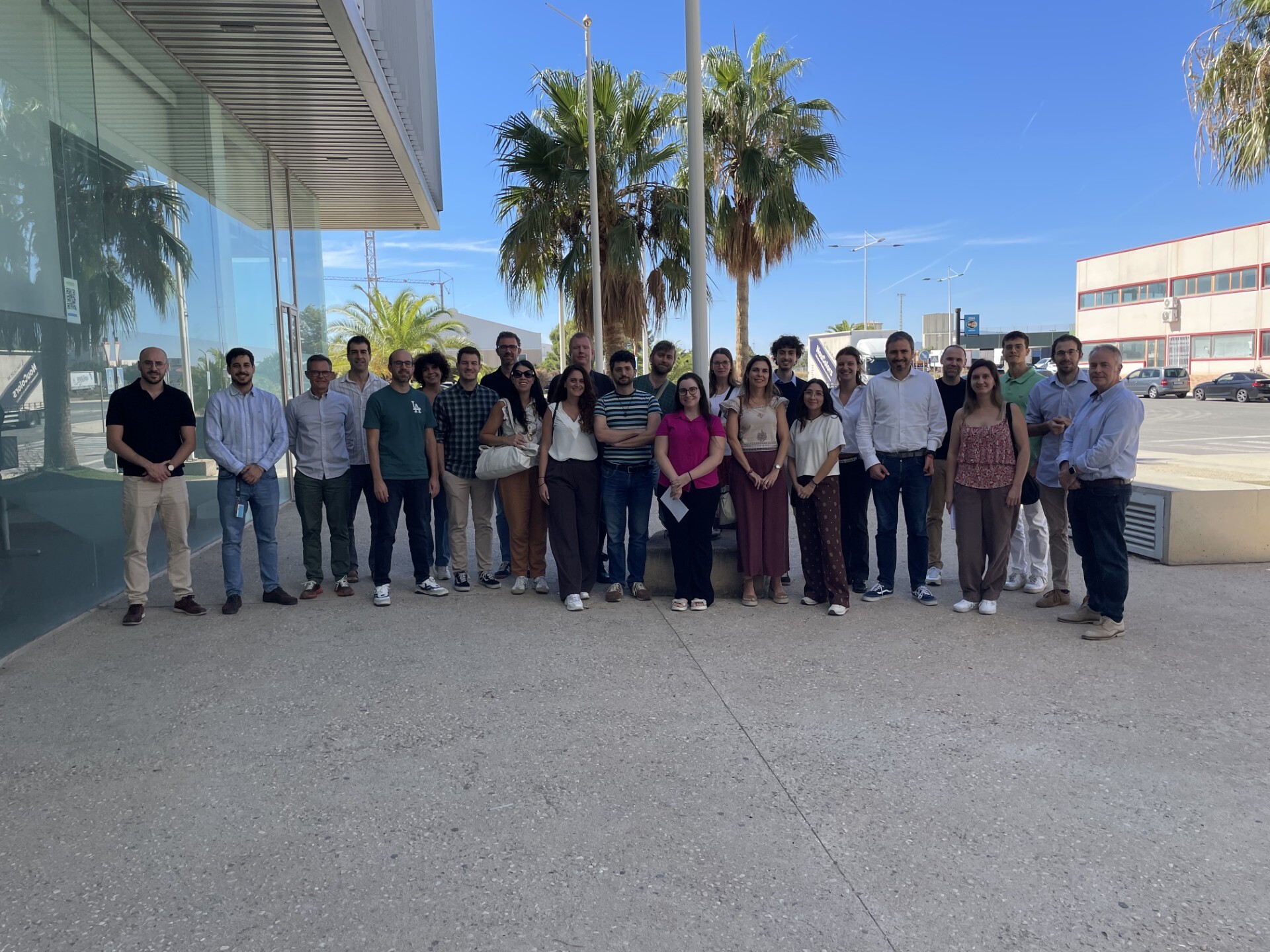
The visit provided a tangible view of the work behind the materials developed in ViSS, connecting the discussions around the table with the processes taking place in the laboratory.
With one year remaining, there is still plenty ahead for ViSS – and many more results and stories to share.
ViSS featured in IDE with two articles on sustainable packaging and digital traceability
Spanish packaging trade magazine IDE highlights the ViSS PHBV value chain and the project’s ICT Platform, showing how digital tools can support traceability, transparency and more sustainable food packaging
The ViSS project has been featured in IDE Información del Envase y Embalaje, a Spanish magazine specialising in the packaging sector, through two articles presenting key aspects of the project’s work.
Published in June, the first article, “ViSS: una cadena de valor segura y sostenible para envases alimentarios de PHBV”, provides an overview of the ViSS approach to developing a viable, safe and sustainable PHBV value chain for food packaging. It follows the full journey from agro-industrial residues to high-performance packaging, covering PHBV production and processing, recyclability and biodegradability, the Safe and Sustainable by Design approach, and the role of digital traceability.
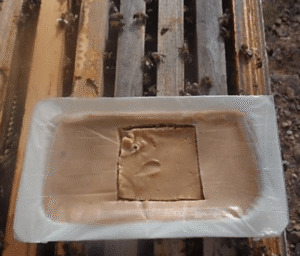
Tray developed in ViSS for beekeeping
More recently, IDE published “La plataforma digital de ViSS: datos y trazabilidad para un packaging alimentario más sostenible”, focusing specifically on the digital dimension of the project. The article highlights how the ViSS ICT Platform supports the collection, management and sharing of data across the value chain, helping make materials, processes and their impacts more transparent and verifiable.
Developed within ViSS, the ICT Platform brings together three complementary components: a Traceability tool to capture and communicate information throughout the value chain; an Evaluation & Decision tool to support decisions based on safety and sustainability criteria; and a Public tool to provide reliable information on the ViSS value chain and its impacts.
Together, the two articles show how material innovation and digitalisation go hand in hand in ViSS. By combining sustainable PHBV packaging with robust data and traceability tools, the project aims to support a more transparent, circular and trustworthy bio-based plastics value chain.
Read the article on the ViSS PHBV value chain
Read the article on the ViSS digital platform
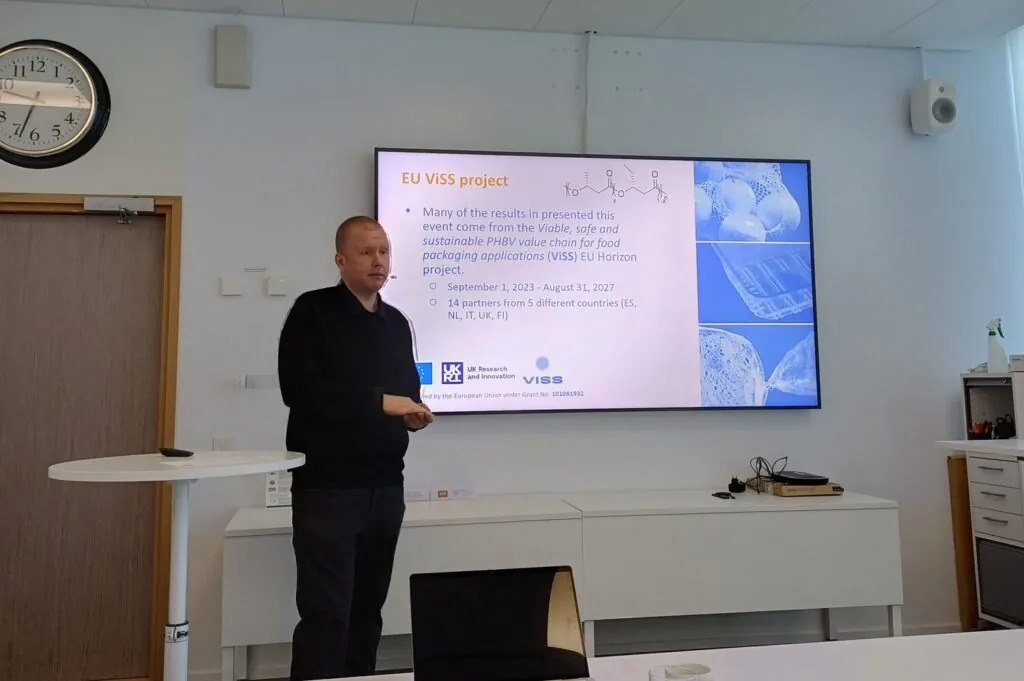
ViSS seminar at VTT explores sustainable material development for PHA biopolymers
A hybrid seminar hosted by VTT brought together experts and stakeholders to explore how innovative approaches can support the development of safer, more sustainable and circular bio-based materials.
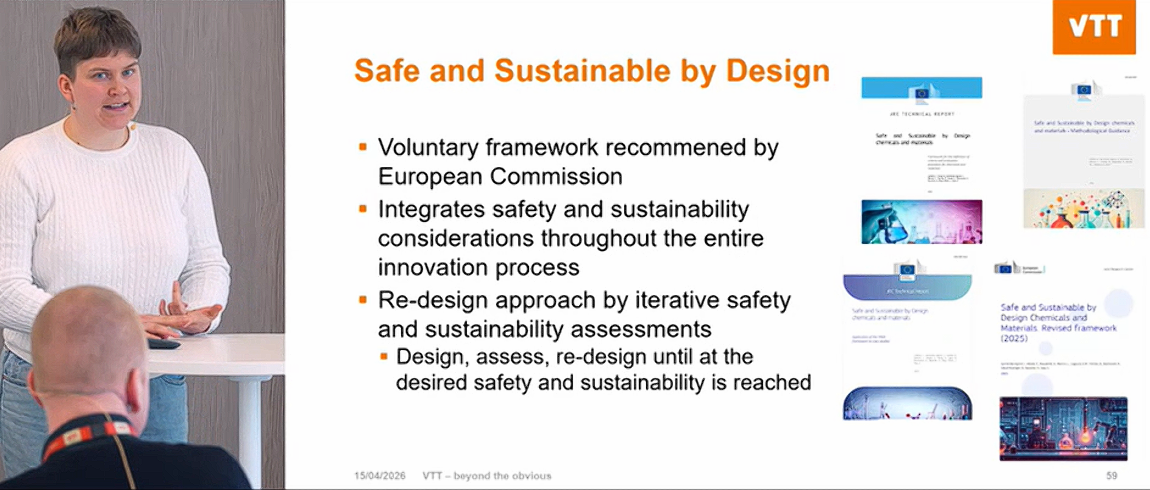

ViSS takes part in an ERRIN event on biotechnology
CETBIO participated to the online meeting to present ViSS packaging solutions
On 16 of April, ERRIN (European Regions Research and Innovation Network), organised the meeting “From Policy to Practice: Regions at the Heart of Europe’s Bioeconomy and Biotech Innovation”. The online event focused on the role of biotechnology in Europe’s transition towards a more sustainable and circular economy.
As part of the occasion, María Nicolás, from CETBIO, presented ViSS under the theme “Production of bioplastics through biotechnological routes”. She presented the various applications of the bioplastic developed in the ViSS project and its potential to support more sustainable industrial solutions. The presentation of ViSS showcased how industrial biotechnology and biomaterials can help address important challenges related to sustainability, waste management, and circular economy.
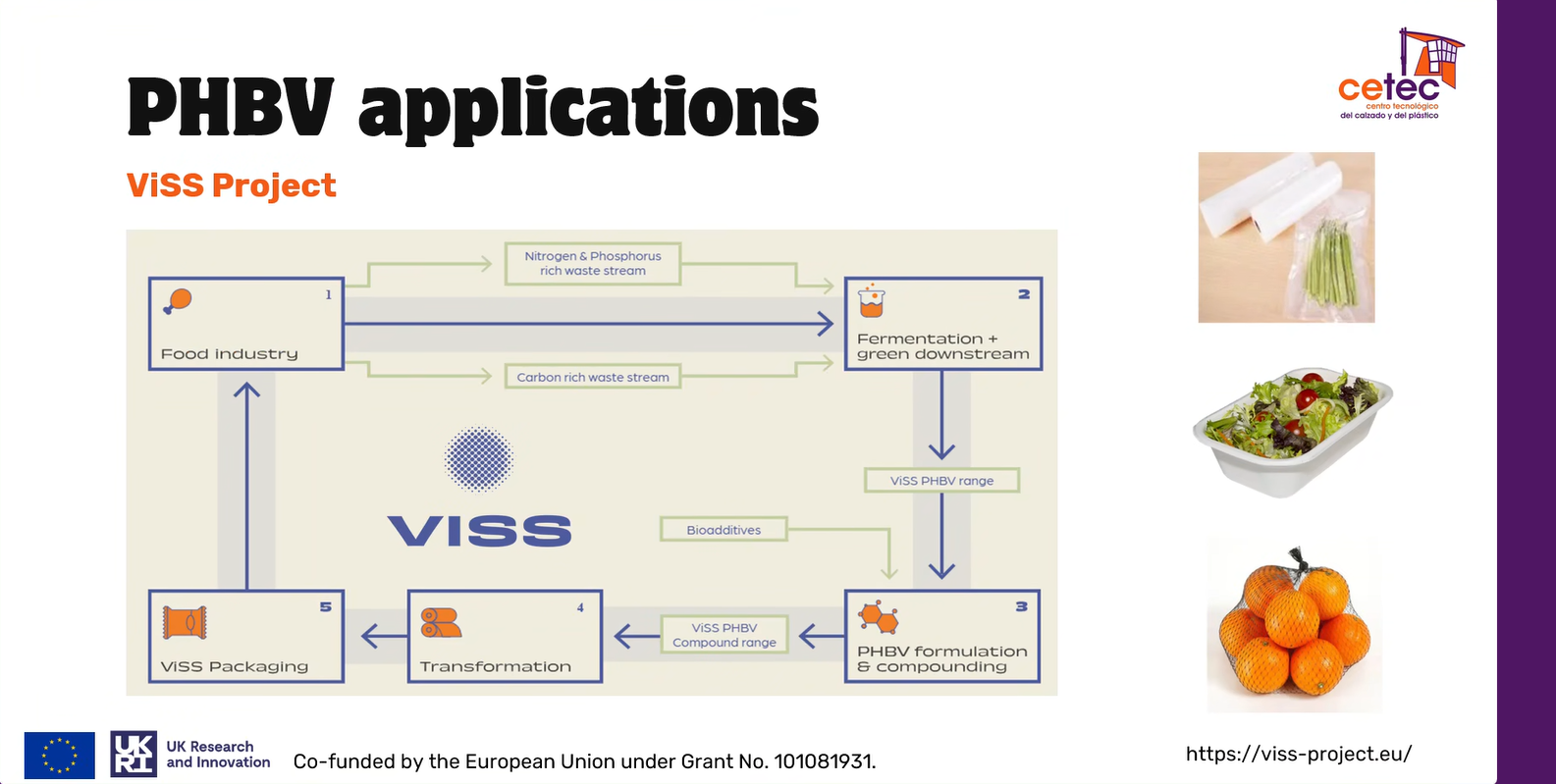
Two new info packs present the first steps of the ViSS value chain
The ViSS project has released two new info packs presenting the first stages of the value chain towards sustainable bio-based packaging.
Funded by the European Union, ViSS is developing innovative packaging solutions based on PHBV, a biodegradable biopolymer produced from industrial residues. The two info packs offer a clear overview of how waste streams can be transformed into valuable materials through circular and safe processes.
To make the ViSS approach easier to understand, ViSS project’s partners developed new materials, translating complex research into a more accessible visual format. Aimed at stakeholders across the bioeconomy value chain, from researchers and industry representatives to innovation actors and wider non-specialist audiences, the info packs explain how organic side streams from the food industry can become a valuable resource for new packaging solutions, and how material formulation can help overcome some of the main processing and performance limitations of bioplastics.
The info packs help make the ViSS approach more tangible, showing how different steps in the process contribute to building a circular packaging solution. From preparing alternative feedstocks for fermentation to identifying safe additives that improve processing and material behaviour, they offer a practical overview of the work being carried out in the project.
The first info pack, From food industry to fermentation focuses on the early steps of the value chain, from food industry residues to fermentation processes. It explains how sugar-rich effluents and poultry by-products are conditioned and used as feedstock for the microbial production of PHBV, turning industrial side streams into a resource for sustainable packaging.
The second info pack looks at PHBV formulation and compounding. It highlights how the project is improving the polymer’s processability and material performance through safe and sustainable additives, combining computational modelling with experimental validation.
Together, the two info packs show how ViSS is building a circular approach that starts from residue valorisation and moves towards the development of high-performance bio-based packaging materials.
Read more on ViSS Zenodo channel
From lemon waste to bioplastic: new research on Haloferax mediterranei highlights PHBV potential
A new research article published in Polymers presents an new approach to transforming lemon processing residues into biopolymers
The study, authored by CETEC, was published in collaboration with partners from ViSS and the related projects ANIPH and PHAntastic.
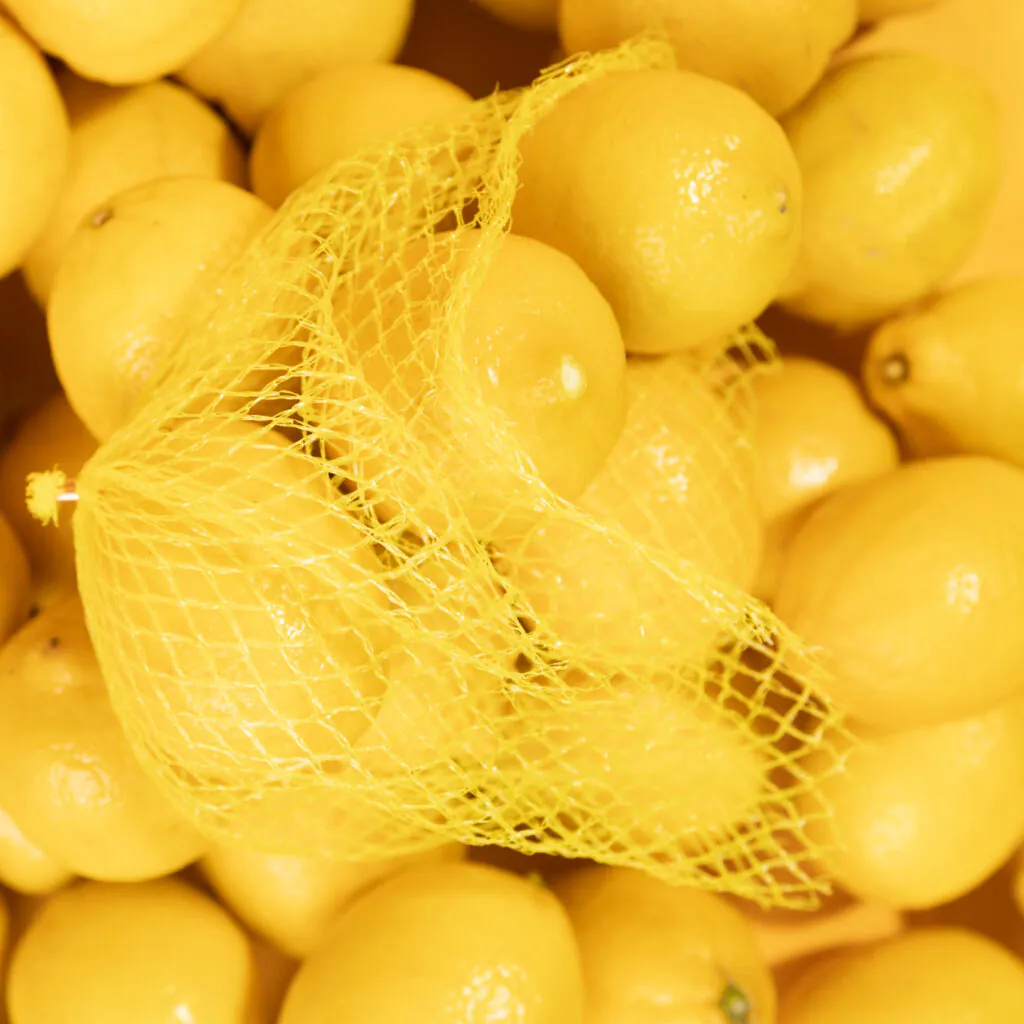
The research explores the use of by-products from the lemon processing industry as carbon sources for producing PHBV through the halophilic archaeon Haloferax mediterranei. This approach demonstrates how agricultural residues can be valorised within a circular bioeconomy framework while supporting the production of biodegradable plastics.
The study explains how the resulting polymer is supplemented with nucleating agents: orotic acid, boron nitride, and theobromine, to improve its crystallisation properties. Among these, orotic acid showed the most promising results, significantly enhancing crystallisation kinetics. The use of nucleating agents also improved the material’s crystallisation behaviour and mechanical stiffness, expanding the potential applications of the produced PHBV.
To evaluate its performance, the new PHBV was compared with a commercial PHBV grade (Enmat Y1000) under identical conditions. The results showed that the material obtained from lemon waste exhibited greater flexibility, lower crystallinity, and a high hydroxyvalerate content, contributing to improved ductility.
Overall, the research highlights an efficient pathway for producing PHBV through waste valorisation, delivering a biopolymer with physicochemical properties that are competitive with commercial alternatives.
Read more about it!
From textile heritage to sustainable innovation: ViSS meets in Alcoy
Partners gathered at AITEX to advance the development and validation of bio-based packaging solutions
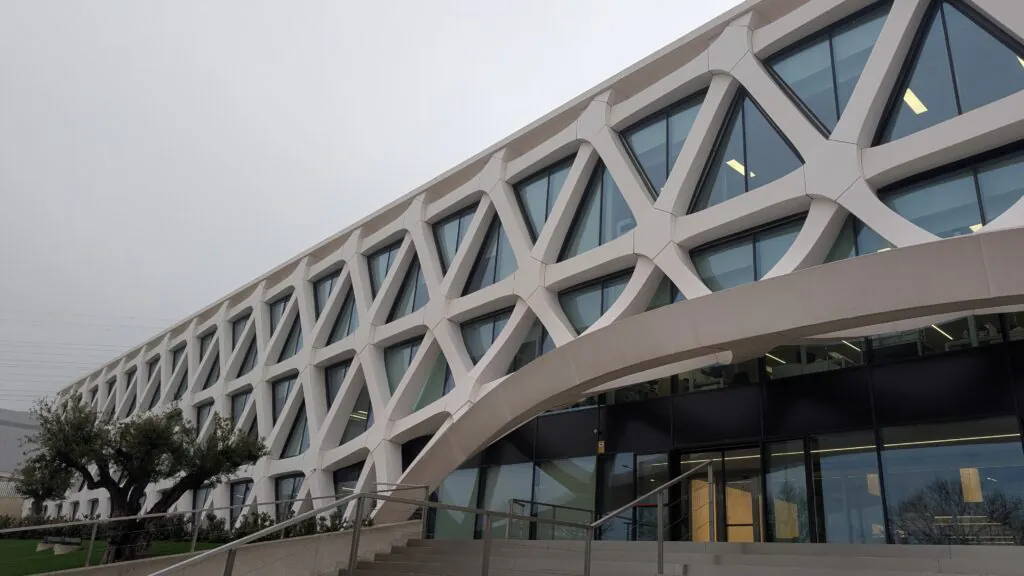
Despite grey skies and occasional rain, ViSS partners gathered last week in the charming historic town of Alcoy, Alicante Province, Spain, where innovation is part of the city’s identity. Nestled among rugged mountain landscapes, Alcoy has long been known as one of Spain’s historic industrial centres, where the textile, paper, and metallurgy sectors drove an early wave of industrialisation in the 19th century and shaped the city’s distinctive architecture. The ViSS General Assembly took place in this inspiring setting, bringing partners together to review progress and plan the next steps of the project.
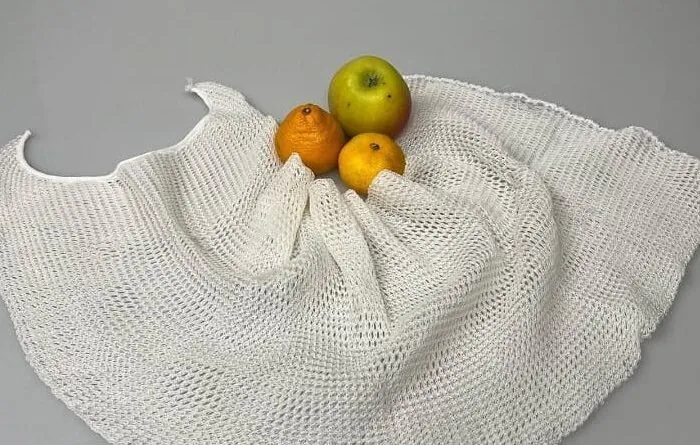
The meeting was hosted by AITEX, a leading Spanish textile research centre located at the foot of the mountains, known for its work in textile innovation, material development, and testing services for the textile and packaging industries. Within the project, AITEX plays a key role in supporting the development of PHBV compounds through different formulation ranges and validating their transformation into mesh packaging using melt spinning and knitting processes at small scale. The research centre will also assess the tenacity and mechanical performance of the textile materials.
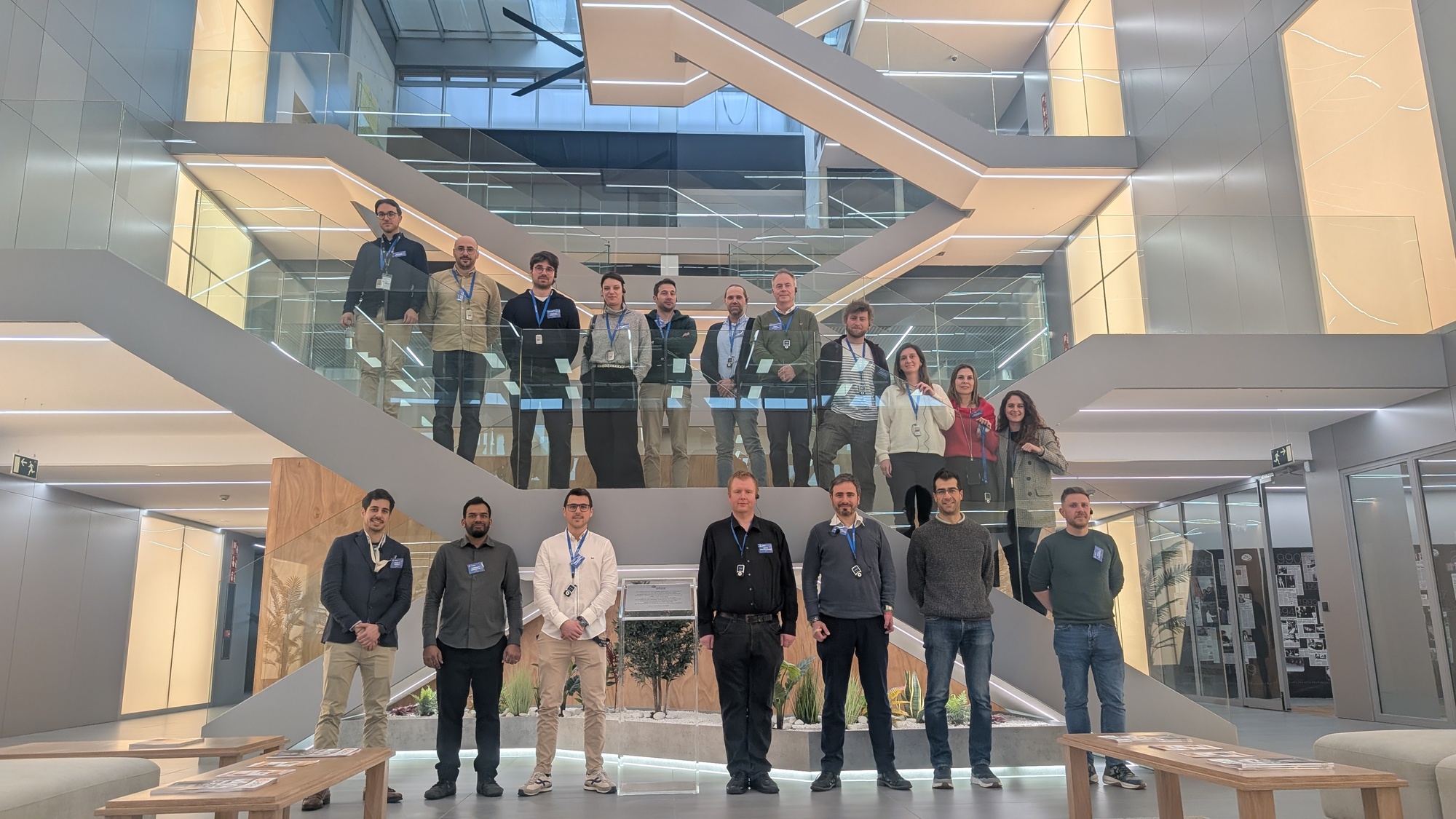
In parallel, the validation of the ViSS packaging at small scale will be defined by Tecnoalimenti in collaboration with PROPAGROUP, establishing the strategy for testing and evaluating the developed solutions. Thanks to the collaboration of all partners, the coordination of CETEC, and KVELOCE, VTT, IRIS, Helian Polymers, IDENER, Zukan, the University of Alicante, and the University of Birmingham, the project is advancing knowledge about sustainable food packaging. In the coming months, ViSS will move forward with key development and new activities.
Beach clean-up collects plastic waste in Alicante
Within ViSS, the University of Alicante volunteering team collects 25 kg of waste, raising awareness and generating data on coastal litter
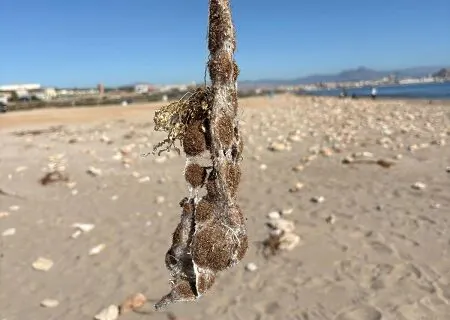
On Saturday, 21 February 2026, 23 volunteers from the Healthy and Sustainable University Program (VUSAMA) at the University of Alicante participated in a citizen science beach clean-up at Agua Amarga beach in Alicante. Over a 100-meter stretch of shoreline, participants collected a total of 25.65 kg of waste, providing valuable insight into the types and quantities of litter affecting the local coastal environment. The clean-up was carried out as part of the ViSS project.
Among the most commonly found items were small plastic fragments, construction debris, cotton bud sticks, and glass pieces. These findings highlight the persistence of plastic and other waste in coastal environments, which can negatively impact marine wildlife through ingestion, entanglement, and habitat disruption.
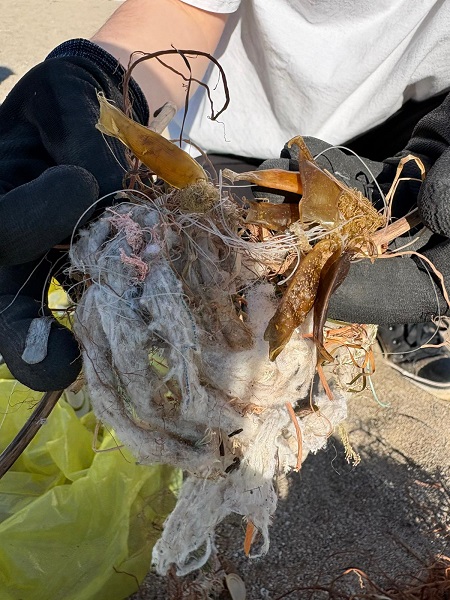
The materials collected included:
- 810 plastic items, including fragments both smaller and larger than 2.5 cm
- 280 items of glass and ceramics, including bricks, tiles, and construction debris
- 105 paper items
- 95 metal items
- 27 pieces of wood
- 11 textile items
- 5 pieces of rubber
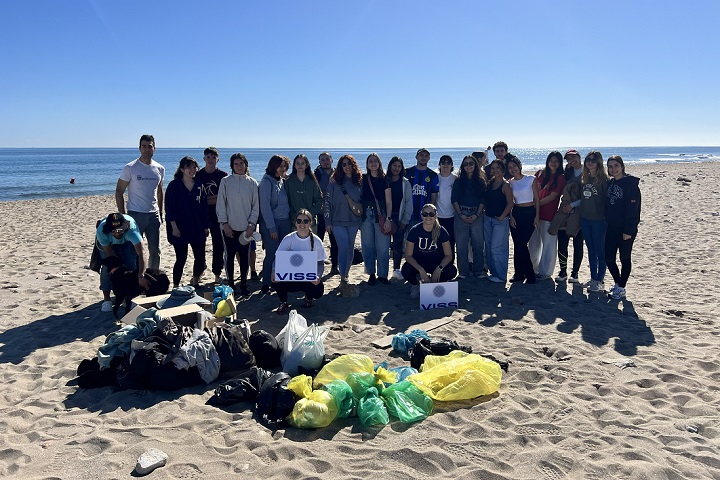
These kinds of activities aim to raise awareness about plastic pollution and its impact on our coastal ecosystems, other than generating valuable data.
Plastic waste doesn’t just disappear — it breaks down into smaller pieces, persists in the environment, and can severely affect marine wildlife through ingestion, entanglement, and habitat disruption.
Through citizen engagement and scientific monitoring, small actions such as these help advance the project’s goal of promoting circular, bio-based solutions while protecting coastal ecosystems.
Pictures by: University of Alicante

Advancing biopolymer design through thermal analysis and modelling
ViSS project insights into the thermal behaviour of the biodegradable polymer PHBV
Within the European project ViSS, partners are working to develop and optimise biopolymers by improving the understanding of their thermal and structural properties. Romain Delannoy, Research Fellow at the University of Birmingham, presented recent results from a joint study with computational theorists from VTT Technical Research Centre of Finland.
Flash Differential Scanning Calorimetry (Flash DSC) experiments were carried out to validate the Molecular Dynamics modelling. Unlike conventional DSC, Flash DSC enables extremely high cooling rates – up to 4,000 K/s – keeping the biodegradable polymer PHBV fully amorphous and allowing for a more accurate determination of its glass transition temperature (Tg)
Two methods were compared: one correcting for structural relaxation effects, and another using these effects to directly identify the glass transition. Within ViSS, this work allows for more accurate predictions of thermal properties of PHBV and understand how to control crystallisation.
Image by Freepik