


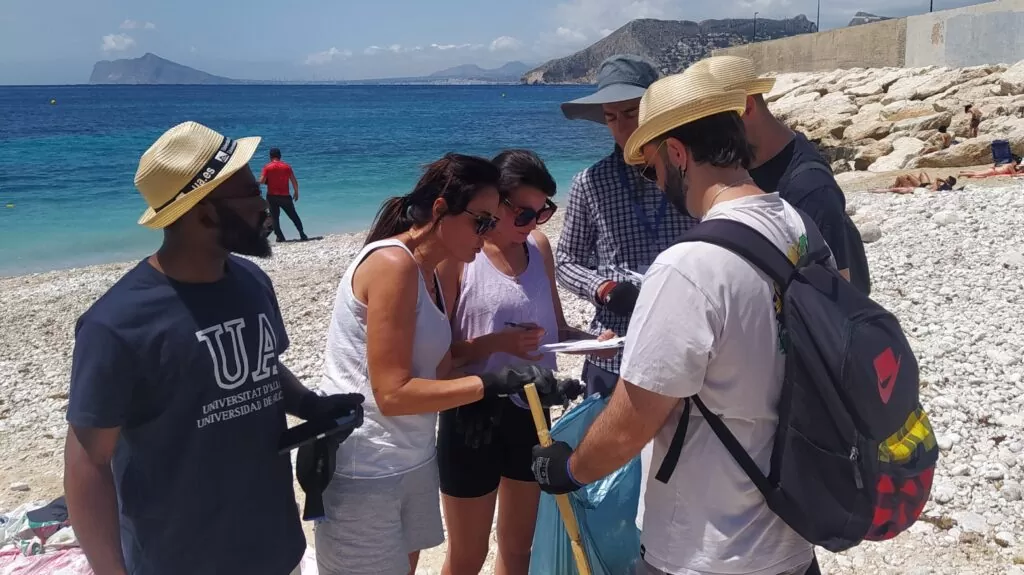
ViSS in action: the University of Alicante invites you to clean Agua Amarga
Join another citizen science activity by VAUA to support marine ecosystem protection
As part of the ViSS project, a marine litter cleanup activity will take place on Saturday, May 17 at 10:00 AM at Playa de Agua Amarga (Alicante). The event is organized in collaboration with the University of Alicante and its Environmental Volunteering Programme (VAUA), under the Bioplastic Lab.
Participants will help collect marine litter and contribute to the protection of coastal ecosystems while engaging in citizen science.
- Location: Playa de Agua Amarga, Alicante
- Time: 10:00 AM
- Registration: Fill in the form here
Transportation will be arranged via private vehicles. If you do not have access to a car, shared transport with other volunteers may be possible.
Please note: civil liability insurance only covers members of VAUA. External participants will take part under their own responsibility.
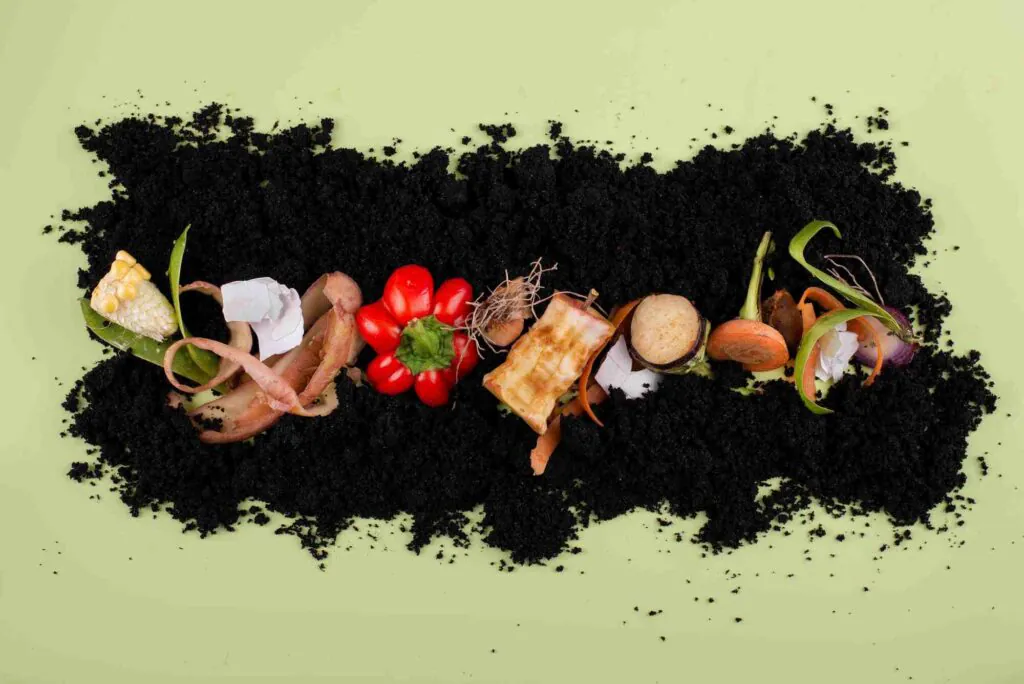
ViSS presented by Tecnoalimenti at Circular Economy Workshop
Marianna Faraldi has been invited as speaker to the Online Workshop “Technologies and models of circular economy for the valorisation of agricultural resources”
On 1 April 2025, Airi – Italian Association for Industrial Research, organised a workshop focused on circular economy approaches in the agrifood sector. At the event, the ViSS project was introduced as a cutting-edge project in the framework of PHBV based materials for food packaging applications. Fifty-two experts attended the event, carried out in Italian.
ViSS was presented by Tecnoalimenti, as part of one of the R&I projects building upon the company’s experience matured on new alternatives to fossil-based plastics for packaging applications in the food sector.
The workshop provided an opportunity for discussion on the implementation of more efficient, sustainable and innovative processes and products to foster competitiveness and quality in the agribusiness sector. With biotechnology, advanced chemistry and materials, advanced production systems and digital technologies as enabling factors, companies and projects like ViSS can create a more resilient supply chain, transparent and efficient, and improve sustainability and environmental impact.
A major area of innovation is the development and optimisation of processes for processing organic matrices, including waste, to make products in various application areas, such as nutraceuticals, cosmetics, natural biostimulants and biocides, textiles and finally packaging, just as ViSS plans to do.
The initiative was carried out within the UMARI project – Using waste Matrixes from Agrifood to Recycle them into functional Ingredients, focused on extracting and valorising phytocomplexes from plant waste in Calabria, aiming to create sustainable, organic products with antioxidant and antimicrobial properties for the nutraceutical, cosmetic, and agricultural sectors.

Featured image credits to Freepik
Citizen Science initiative: marine litter cleanup at Agua Amarga Beach
A citizen science initiative focused on marine litter cleanup will take place on the 9th of November
Within the ViSS project activties, the Voluntariado Ambiental Universidad de Alicante and the BioplasticLab of the University of Alicante organise a cleanup event happening at Agua Amarga beach.
The activity aligns with the project goals by actively engaging the local community in environmental conservation efforts through structured data collection methodologies. Registration is open to individuals who are enrolled in the environmental volunteering program at the University of Alicante. Register here and sign up here.
The ViSS project continues to advance the development of a sustainable value chain for PHBV in food packaging applications. The project’s objectives include promoting environmental awareness, enhancing community involvement, and fostering innovative solutions for waste management in coastal areas. During the initiative, participants will receive an overview of how the Marine Litter Watch app works. The tool, developed by the European Union, tracks waste collected on beaches.
Picture credits: Pexels

ViSS strategy at the international conference on bio-based and biodegradable polymers
The BIOPOL Conference was a significant opportunity that brought together experts in the field of biopolymers and biodegradable composites.
The ViSS project attended the 9th BIOPOL Conference that took place in Coimbra, Portugal at the end of July 2024. With the support of the University of Alicante, the project had the opportunity to share findings on PHBV production by agro-food industry waste materials.
The ViSS project introduced its methodology of PHBV production for food and drink packaging applications. The use of PHBV in packaging manufacturing offers a sustainable alternative to conventional plastics. The results presented in the poster “PHBV-based Materials for Food Packaging Applications” by CETECBIO associate Salvador García Chumillas, highlight the potential of using agricultural waste to create high-valuable and cost-effective sustainable bioplastics.
Along with ViSS project’s findings, CETECBIO also presented the work titled: “PHBV production and agri-food valorization employing Haloferax mediterranei as cell factories”, in the framework of Agro2Circular, a EU project boosting the upcycling of agri-food wastes by reusing these to produce new food, cosmetic and nutraceutical formulation.
Read more on LinkedIn
Image credits @wirestock on Freepik

Collecting data on plastic pollution: a practice beyond beach cleaning
The Bioplastic Lab from the University of Alicante and the ViSS project organise a beach cleaning on the coast of Calpe, Spain
Combining traditional beach cleaning practices with the innovative approach of citizen science. This is the lesson the research team taught to engage students in the preservation of nature last May.
Participants were not only committed to collecting plastic items but also to documenting materials found using a standardised classification system. The data was uploaded to the Maritime Litter Watch app, which is a valuable resource for environmental managers and policymakers. This information helps them design more effective strategies to combat plastic pollution. Additionally, the data becomes easily accessible to the public, which promotes awareness and understanding of marine pollution.
The event took place over two days, including roundtable discussions and presentations where participants become an active part of the initiative.
Picture of the Bioplastic Lab (University of Alicante)
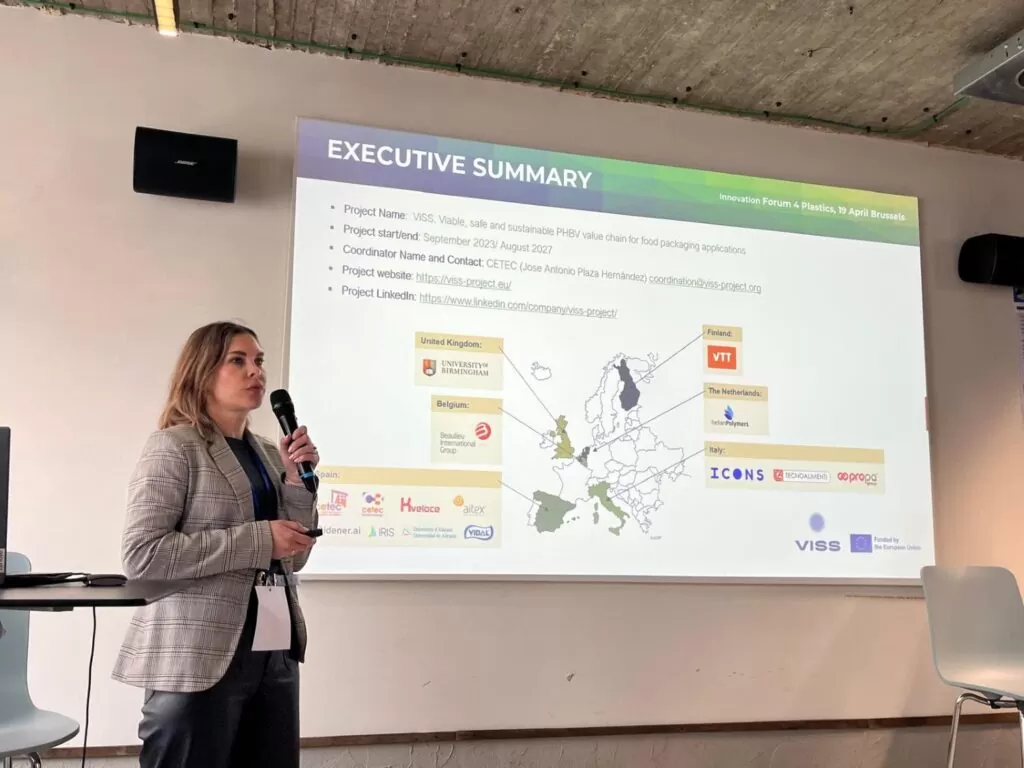
Wrapping the event: highlights from the World Circular Economy Forum (WCEF)
The ViSS project took part in the Innovation Forum 4 Plastics, a side event of the WCEF
Last April 19th, the World Circular Economy Forum spotlighted innovative solutions from EU-funded projects to improve plastic recycling and circularity, aligning with crucial European regulations such as the EU Plastics Strategy and EU Circular Economy Action Plan.
ViSS‘s contribution emphasized the various regulatory, technical, and financial barriers obstructing the advancement of bio-based plastics production technology. Additionally, ViSS representatives analysed market opportunities for new sector technology, highlighting limitations stemming from gaps in research and innovation.
Picture of ViSS project
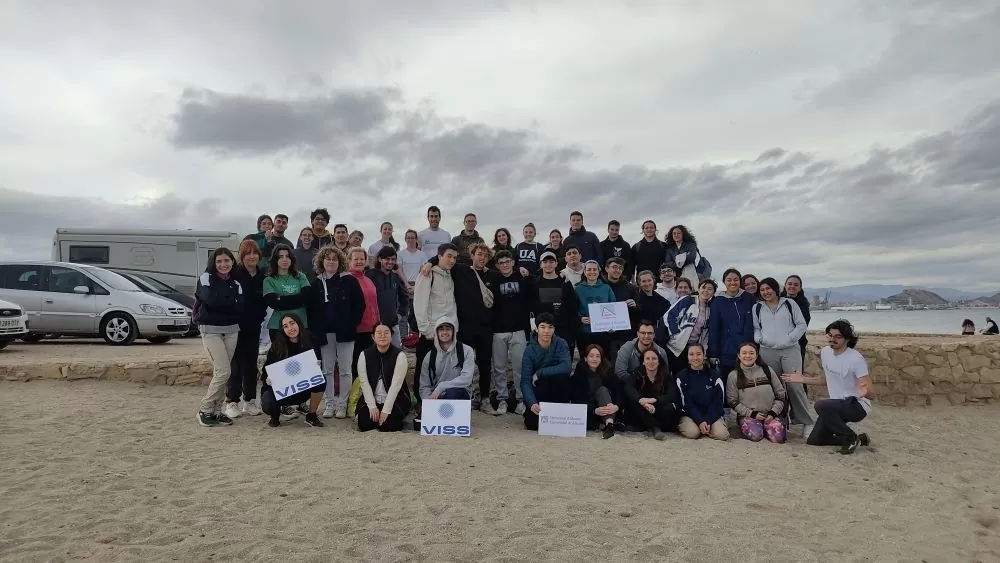
Cleaning our shorelines: more than just volunteering
University of Alicante, one of the ViSS project partner, organised a beach clean-up where students from the Department of Ecology collected plastic waste from the shores of Agua Amarga (Spain) on February 25th
Besides serving as a volunteering opportunity, the event offered a Citizen Science experience, where participants have also recorded their findings using a standardized classification system. Subsequently, these data were uploaded to Marine Litter Watch, a citizen-based app that makes it accessible to anyone interested in utilizing it.
The analysis of the data, well explained in the paper titled “Anthropogenic and environmental factors partly co-determine the level, composition and temporal variation of beach debris”, shows that both environmental and anthropogenic factors co-determine the level and composition of beach debris.
Coastal clean-up initiatives like the one organized by the University of Alicante, exemplify ViSS’s dedication to fostering environmental awareness and community engagement through impactful actions.
Picture courtesy of the University of Alicante
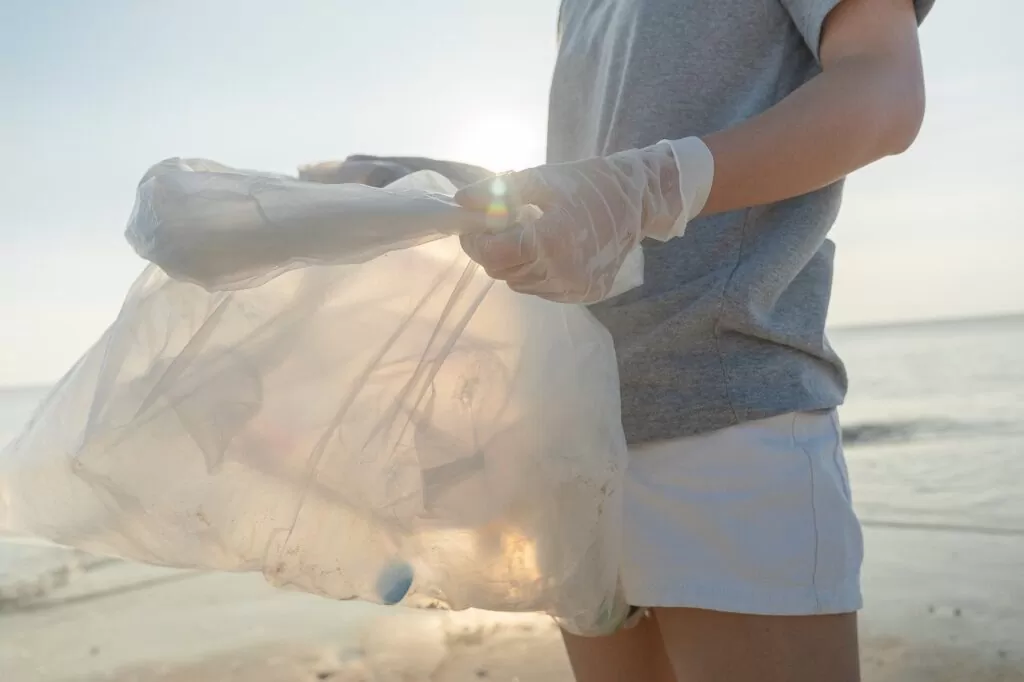
Earth Day 2024: a global initiative to safeguard our planet
The day the planet said no to plastic
The Earth Day is a global celebration honouring the environmental movement and sustainable policies. The event is of major importance for the ViSS project, as the theme for the 2024 edition is “Planet vs. Plastic” and intends to raise significant awareness across all sectors of society on the health and environmental risks associated with fossil-based plastics.
First held on April 22, 1970, the Earth Day has evolved into the largest civic event on Earth, mobilizing over 1 billion people annually across 192 countries. The event engages individuals, industries and governments in phasing out single-use plastic and calling for a 60% reduction in its production by 2040. Additionally, the event will represent a significant opportunity to push for a robust UN Treaty on Plastic Pollution.
Numerous initiatives will be organised around the world, offering everyone the opportunity to shape a better and more sustainable future. Visit the following link for more information.