


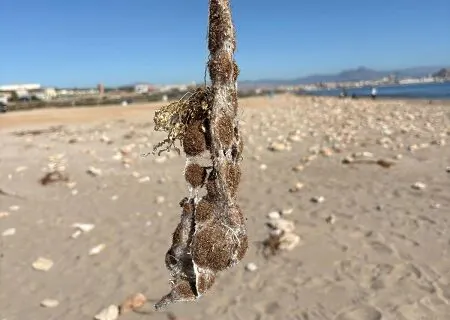
Beach clean-up collects plastic waste in Alicante
Within ViSS, the University of Alicante volunteering team collects 25 kg of waste, raising awareness and generating data on coastal litter
On Saturday, 21 February 2026, 23 volunteers from the Healthy and Sustainable University Program (VUSAMA) at the University of Alicante participated in a citizen science beach clean-up at Agua Amarga beach in Alicante. Over a 100-meter stretch of shoreline, participants collected a total of 25.65 kg of waste, providing valuable insight into the types and quantities of litter affecting the local coastal environment. The clean-up was carried out as part of the ViSS project.
Among the most commonly found items were small plastic fragments, construction debris, cotton bud sticks, and glass pieces. These findings highlight the persistence of plastic and other waste in coastal environments, which can negatively impact marine wildlife through ingestion, entanglement, and habitat disruption.
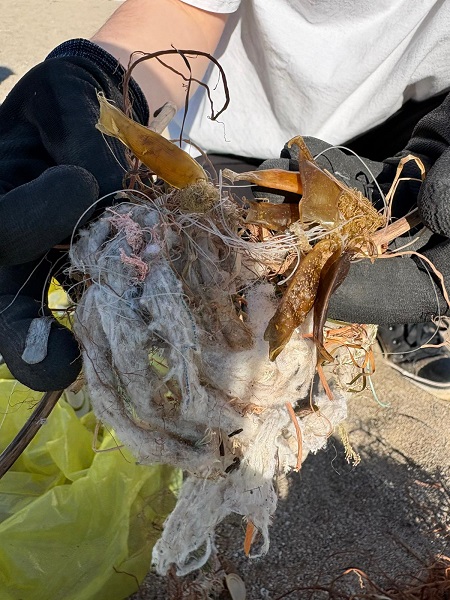
The materials collected included:
- 810 plastic items, including fragments both smaller and larger than 2.5 cm
- 280 items of glass and ceramics, including bricks, tiles, and construction debris
- 105 paper items
- 95 metal items
- 27 pieces of wood
- 11 textile items
- 5 pieces of rubber
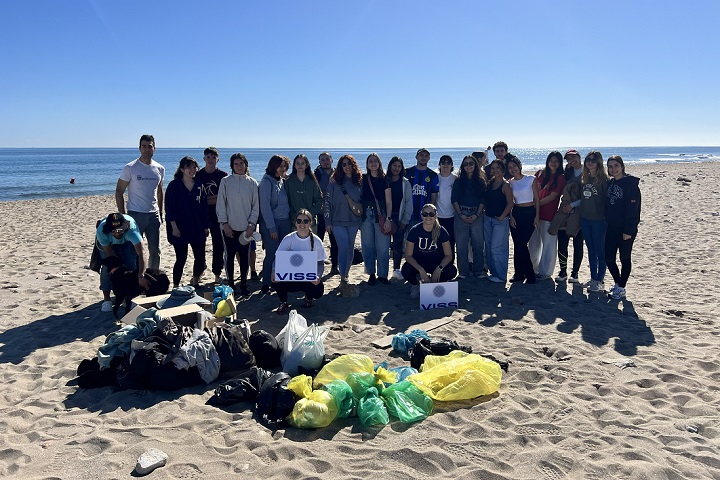
These kinds of activities aim to raise awareness about plastic pollution and its impact on our coastal ecosystems, other than generating valuable data.
Plastic waste doesn’t just disappear — it breaks down into smaller pieces, persists in the environment, and can severely affect marine wildlife through ingestion, entanglement, and habitat disruption.
Through citizen engagement and scientific monitoring, small actions such as these help advance the project’s goal of promoting circular, bio-based solutions while protecting coastal ecosystems.
Pictures by: University of Alicante