


ViSS third newsletter
Be part of the bio-based plastics revolution and explore the path to circularity
Dear Readers,
Great news from the ViSS project!
As we reach month 22, we have achieved substantial breakthroughs in our mission to create sustainable bioplastics.
We have successfully optimized the PHBV production process, from initial feedstock to final purified product. This means we’re now more efficient in:
- Generating volatile fatty acids from sugar waste.
- Producing PHBV from diverse waste streams, including volatile fatty acids, sugar waste, and poultry waste.
- Extracting and purifying the PHBV for high quality.
The Consortium is now dedicated to the next crucial steps: formulating and compounding the PHBV, and constructing the ViSS DEMO plant. Our recent meeting in Barcelona provided a productive forum to propel these efforts forward.
Stay updated on the latest news and progress from the ViSS project by joining our community!
Read ViSS #3 newsletter online here
Carmen Fernández Ayuso,
CETEC Centro Tecnològico del Calzado y del Plàstico
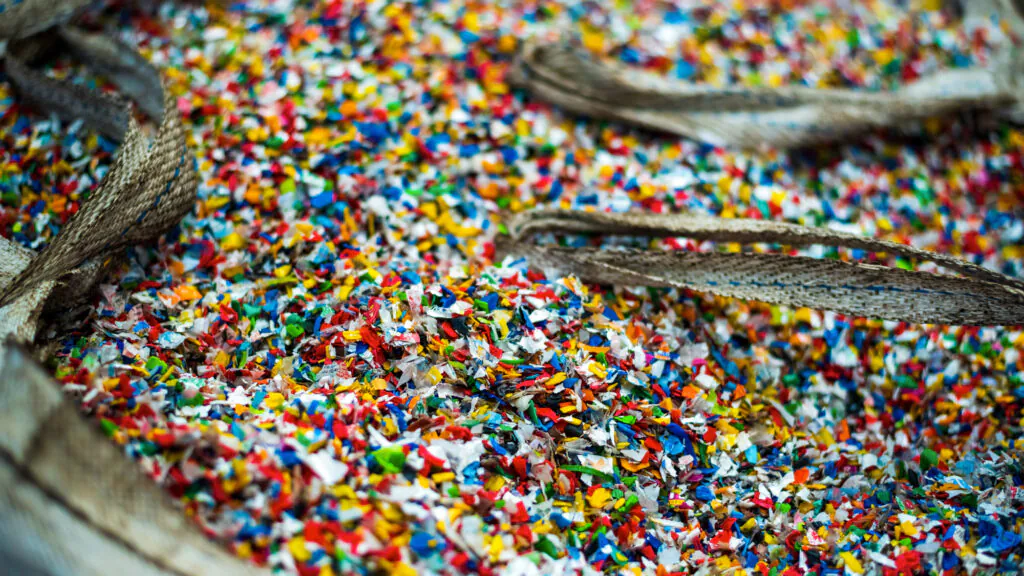
AITEX presents ViSS at EU Green Week 2025
Join the online webinar and discover ViSS contribution to circular packaging through biobased, scalable solutions
As part of ViSS objective of replacing conventional plastics to accelerate the shift towards sustainable packaging, the project will take part in the upcoming EU Green Week 2025, under the theme “Circular Solutions for a Competitive EU.”
Our partner, AITEX, has been invited to present at the webinar “Contributing to the Circular Economy by Clean, Competitive & Industrial-Scalable Solutions Coming from EU-Funded Projects”, co-organized by LIFE POLITEX and LIFE ANHIDRA. The event will take place on June 10th, 2025, from 10:00 to 11:30 CEST via Microsoft Teams.
During the session, ViSS will present its ongoing work on reducing environmental impact through the development of a circular value chain based on PHBV (a copolymer of the PHAs family crafted from industrial organic residues) as a safe, environmentally, socially and economically sustainable alternative to conventional plastics for food packaging.
The webinar will focus on polymer recycling and reuse in technical applications. ViSS will highlight how its scalable, sustainable packaging solutions support a greener, more competitive European industry.
Date: June 10, 2025
Time: 10:00–11:30 CEST
Register here!

ViSS takes part in CBE JU Cluster Projects’ Workshop on Bio-based Materials
CBE JU Workshop “Advancing innovation and industrial up-scale in bio-based materials for agriculture and packaging solutions,” is taking place on 17 June 2025 in Brussels.
The workshop, organised by the Circular Bio-based Europe Joint Undertaking (CBE JU), aims to showcase cutting-edge innovations and research in the field of bio-based materials, with a special focus on applications in agriculture, automotive, construction and packaging. It will bring together coordinators from CBE JU and other Horizon Europe-funded projects to foster knowledge exchange, collaboration, and the identification of research gaps and market opportunities. A strong emphasis will be placed on circularity and end-of-life solutions for bio-based products.
ViSS has been invited to join the networking area, where a poster of the project and promotional materials will be displayed, while engaging with other projects, stakeholders, and representatives from the European Commission, executive agencies, and the Biobased Industries Consortium.
Stay tuned for updates following the event!
Follow us on LinkedIn and Facebook
Photo @CBE JU
ViSS project at Ipack-Ima in Milan: a key event for the future of packaging
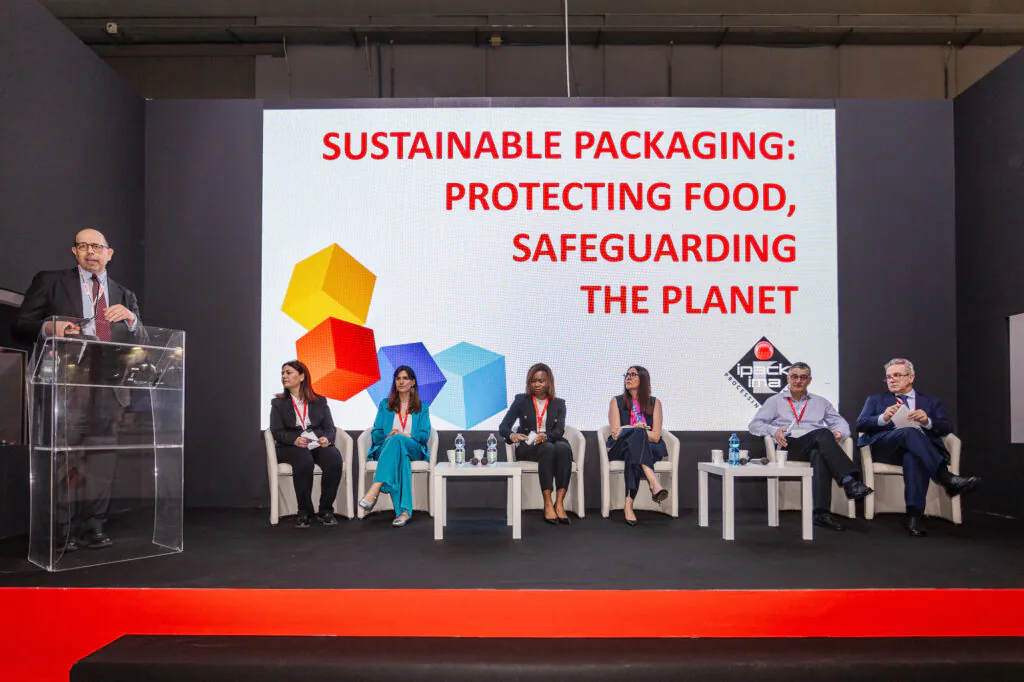
The Ipack-Ima trade fair takes place on 27-30 May. An international event focused on innovation in processing and packaging technologies.
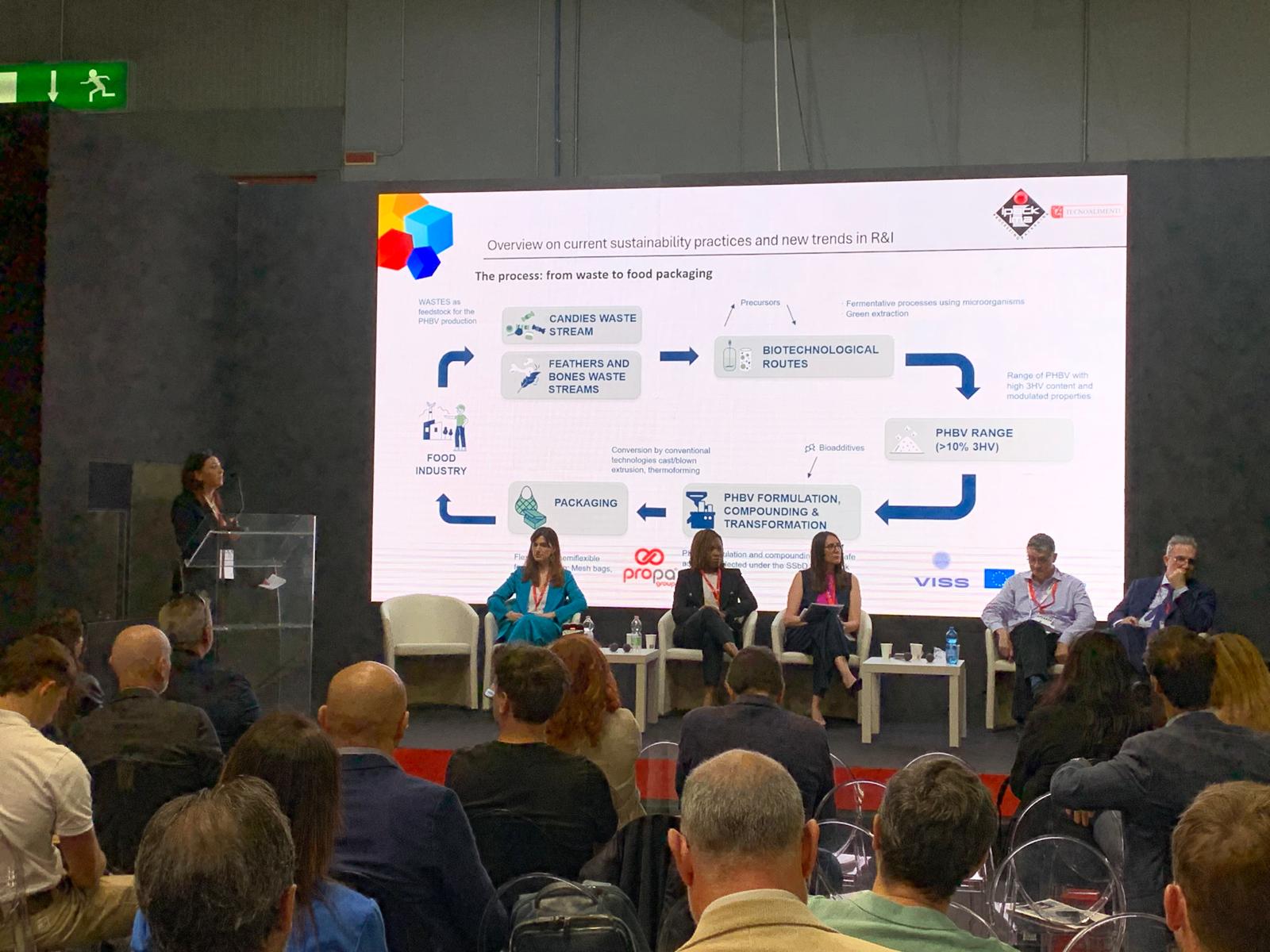
This year, the ViSS project will be prominently featured at the renowned Ipack-Ima trade fair in Milan, with several project partners participating in the event. The event is an international platform for innovation in processing and packaging technologies, a unique opportunity for involved parties to explore cutting-edge advancements in sustainable packaging solutions.
Mariana Farladi from Tecnoalimenti will make a public presentation briefly introducing ViSS, followed by a 30-minute roundtable discussion.
Also Propagroup will attend the event, and together with Tecnoalimenti will be available to offer further details about the project. The event will be a unique opportunity to engage with experts in the field and gain insights into the project’s contributions to packaging solutions.
Don’t miss the opportunity to participate in this exciting event and discover more about how the ViSS project is shaping the future of sustainable packaging.
Discover more here.
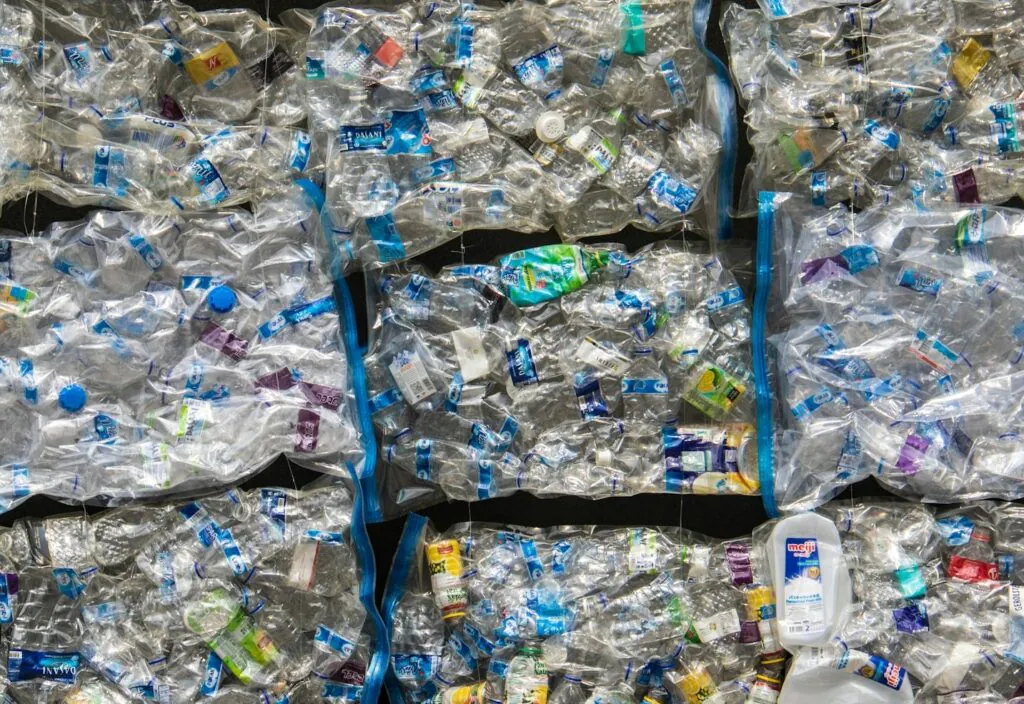
From poultry waste to food packaging: the end of plastic wrap as we know it?
With plastic pollution suffocating the planet, a new generation of bioplastics could change the game. Made from poultry waste, it replaces fossil-based polymers with biobased ones, bringing us closer to truly sustainable packaging. But experts warn: “For this to be a revolution, policies must support the sector.”
A fire is raging through a house. Half of it is already in ashes; the other half might still be saved but all we have is a bucket of water. That fire is the mountain of plastic waste we’re producing, growing ever larger and smothering the environment. The bucket of water is bioplastics: a natural remedy but not a definitive solution.
The numbers are staggering: in 2022, each European citizen generated 186.5 kilograms of packaging waste, 29 kilos more than in 2011. Of that, 19% was plastic packaging waste, and only 41% of it was recycled. According to the UN, if we continue at this pace, by 2050 there could be more plastic than fish in the ocean by weight. Food packaging is one of the main culprits in this pollution crisis: nearly 37% of all food sold in the EU is wrapped in plastic.
In response, a wave of “green” alternatives has flooded the market: compostable plates, bioplastic cutlery, “eco” paper containers. But for anti-plastic activists, the issue isn’t only what we use, it’s how much we use. “We have an increase in the use of packaging and especially single use. Consequently, the EU’s total packaging waste rose by some 20% over the last ten years. So first we must reduce packaging. We advocate for possible not using any packaging whenever that’s possible,” says Samy Porteron, Programme Manager at ECOS, an NGO that is part of the Break Free From Plastic movement.
Fast food chains are in the spotlight for the mountains of single-use packaging waste they generate, even when using supposedly sustainable materials. “When we talk about restaurants you can obviously be using washable and reusable plates and cutlery. When we talk about delivery, we’ve been advocating for systems that could also use reusable packaging, to complement promoting the practice of bringing your own packaging” Porteron adds. The key, they say, is to wash and reuse: plates, glasses, and cutlery made of ceramic, glass, metal, or other durable materials.
But if single-use plastic has been phased out in Europe and most materials on the market are “eco,” why isn’t it working? Biodegradable. Compostable. Recyclable. Biobased. The words may sound similar, but they’re far from interchangeable. A bioplastic can come from natural sources but still be neither recyclable nor compostable and may contain harmful additives. Many bioplastics only break down under very specific conditions and often contain the notorious PFAS: persistent, endocrine-disrupting forever chemicals that leach into the environment. “People might not understand that a biodegradable plastic should not be thrown in the environment because it might not actually biodegrade as quickly as you think. They might not understand that a compostable product should not be recycled, for instance. Instructions for citizens for the separate collection of biodegradable plastic differ from one municipality to another, adding to the confusion”, adds Porteron, pointing out that despite much educational effort, there’s still a long way to go.
There’s also the trap of “mixed” food packaging, paper lined with plastic, for example, which most consumers don’t separate or recycle. “Consumer habits are hard to change. It’s difficult to imagine fruit or bread packaging without a plastic window to see the product,” explains Prospero Di Pierro, professor of biochemistry at the University of Naples Federico II.
In short, the devil is in the details in our daily routines. So, what’s the path forward? “PHA biopolymers are the best candidates to replace plastic. Within this family, there’s PHB: imagine a pearl necklace where each pearl is made up of 4 carbon atoms and 2 oxygen atoms (hydroxybutyrate). This gives it better technological characteristics and makes it the most promising material in current research. The addition of external molecules such as valerate to improve the polymer’s properties raises the cost if microorganisms capable of autonomous production are not available,” Di Pierro adds.

Figure 1: reactors for the fermentative production
Still, producing this biopolymer comes with major challenges, starting from the pretreatment of the food waste used as raw material, to issues with logistics, transport and cost. Pretreatment is essential: to produce PHA at scale, microorganisms need to be fed with a carbon-rich but nitrogen-poor substrate. Processes like deproteinisation or fermentation are expensive and not always scalable. “Then there’s the logistics. Transporting highly perishable materials to biopolymer factories is complex. Setting up facilities near food industries? Culturally, it’s hard to convince food producers to start making bioplastics and economically it doesn’t work yet, because bioplastic, being much more expensive than conventional plastic, isn’t competitive without incentives,” Di Pierro explains.
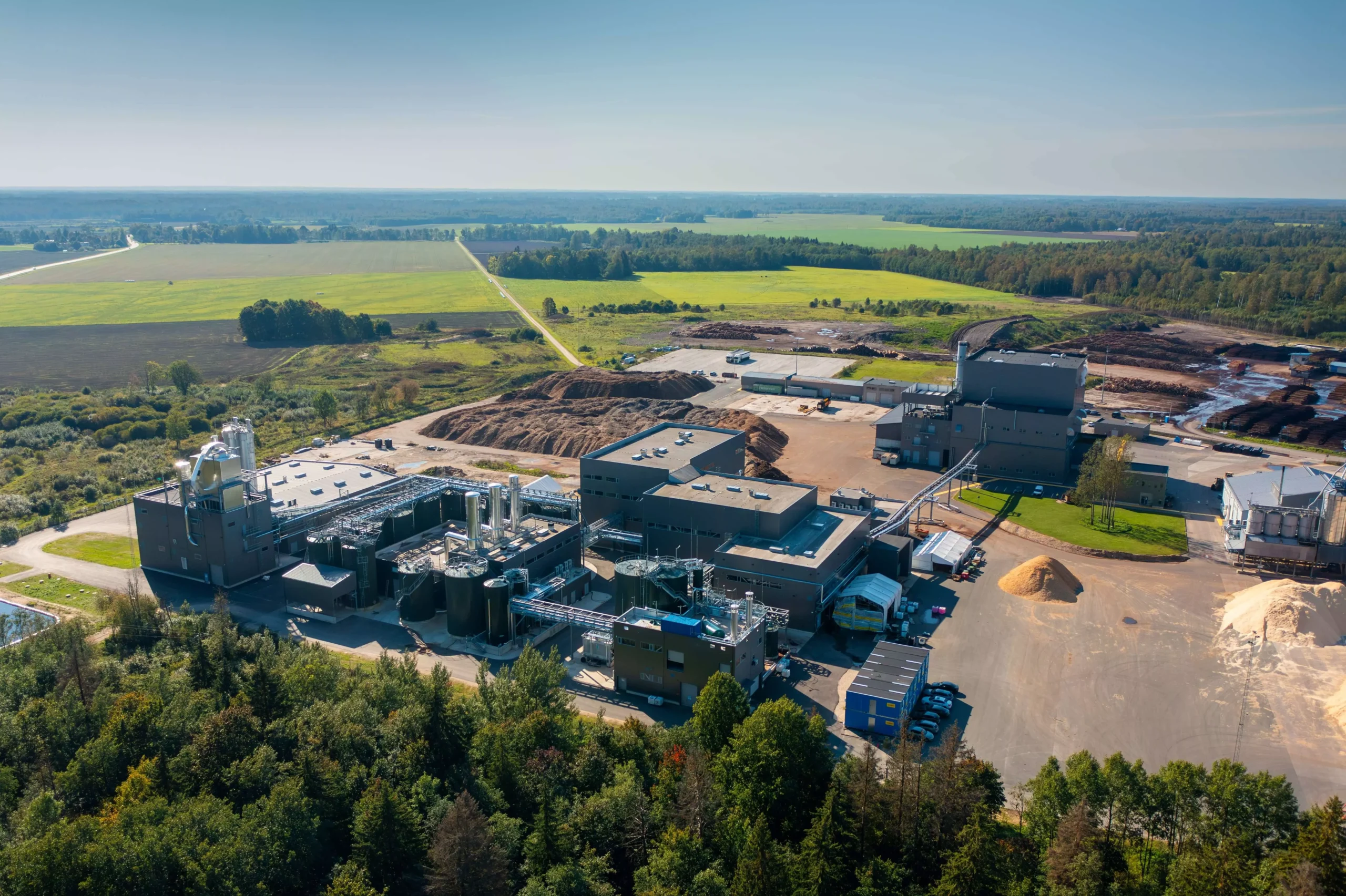
These are precisely the challenges that the European ViSS project aims to solve. Its goal? To sustainably and scalably produce PHB biopolymer, free from PFAS, using waste from the poultry and sugar industries.
“This project arose from the need to substitute fossil-based polymers by biobased polymers. Our polymers are biobased and biodegradable, produced by microorganisms; they are completely safe and biodegradable in all environments: in soil, in freshwater, in seawater because we only add safe and sustainable additives,” says Carmen Fernández Ayuso, PhD, head of coordination and R&D management at CETEC in Murcia, Spain, and ViSS project coordinator. The additives don’t interfere with the degradation process. “This is an innovative approach in our project because we design the polymer taking into account the end of life to ensure a safe biodegradation and not endangering the environment and the health of users,” she adds.
Practically, the process begins with poultry waste, feathers and bones, and sugar industry by-products, all sourced locally to cut transport costs. “Also, we use plastic reactors instead of steel reactors that are costly,” explains Fernández Ayuso, and the whole process runs under non-sterile conditions, saving even more. A microorganism digests the substrate and starts accumulating PHBV inside its cells. This is then extracted and purified to produce a biodegradable powder or plastic granule, ready to be formulated and turned into film, packaging or other items. “One of the main points is that in our process, our product has 15 to 30% of hydroxyvalerate. That makes it less crystalline and it has flexibility”, adds Fernández Ayuso, solving one of the biggest limitations of this type of bioplastics: their rigidity.

a PHBV film
If PHBV biopolymer production can be scaled cost-effectively, it would mark a real revolution in the world of plastics. But one final hurdle still stands: the price. Experts are calling for policies that support the sector, to make bioplastic produced in Europe competitive, not 2 or 3 times more expensive than fossil-based plastic, and not outpriced by extra-EU imports. In short: to give it the power to put out the fire.
Article by Gioia Salvatori
Photos by CETEC.
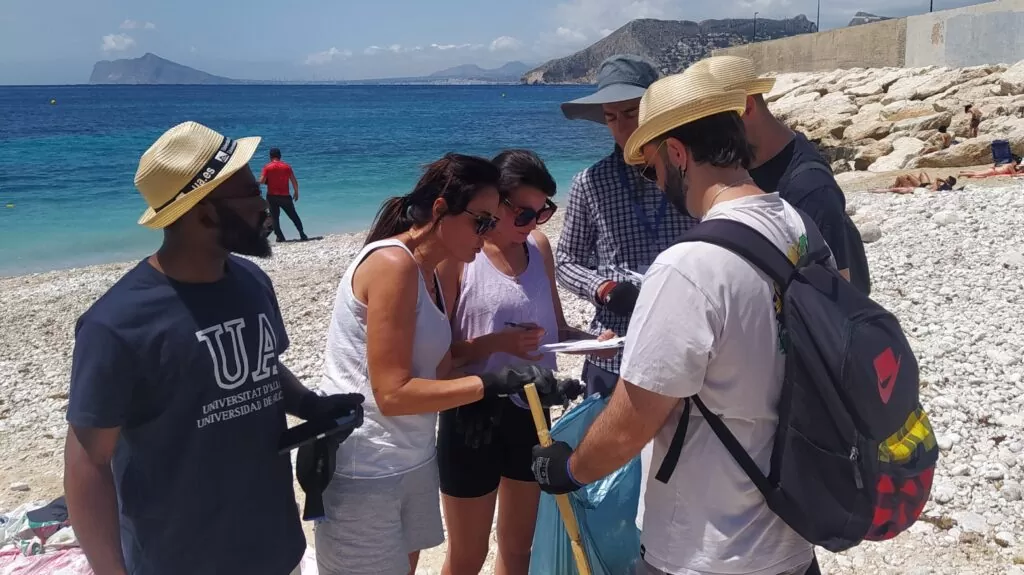
ViSS in action: the University of Alicante invites you to clean Agua Amarga
Join another citizen science activity by VAUA to support marine ecosystem protection
As part of the ViSS project, a marine litter cleanup activity will take place on Saturday, May 17 at 10:00 AM at Playa de Agua Amarga (Alicante). The event is organized in collaboration with the University of Alicante and its Environmental Volunteering Programme (VAUA), under the Bioplastic Lab.
Participants will help collect marine litter and contribute to the protection of coastal ecosystems while engaging in citizen science.
- Location: Playa de Agua Amarga, Alicante
- Time: 10:00 AM
- Registration: Fill in the form here
Transportation will be arranged via private vehicles. If you do not have access to a car, shared transport with other volunteers may be possible.
Please note: civil liability insurance only covers members of VAUA. External participants will take part under their own responsibility.
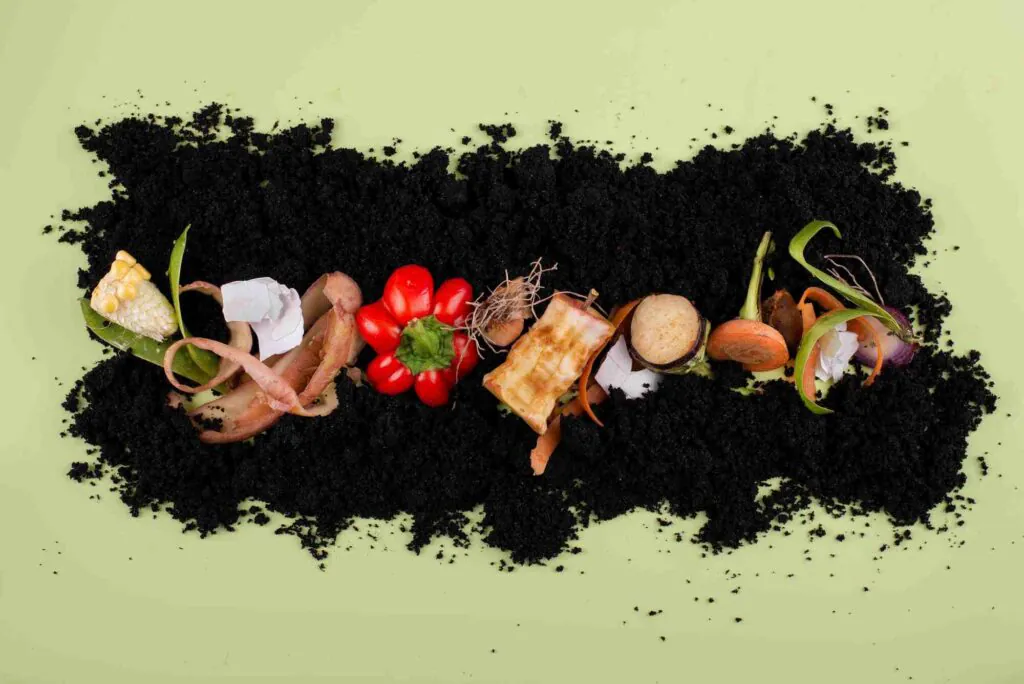
ViSS presented by Tecnoalimenti at Circular Economy Workshop
Marianna Faraldi has been invited as speaker to the Online Workshop “Technologies and models of circular economy for the valorisation of agricultural resources”
On 1 April 2025, Airi – Italian Association for Industrial Research, organised a workshop focused on circular economy approaches in the agrifood sector. At the event, the ViSS project was introduced as a cutting-edge project in the framework of PHBV based materials for food packaging applications. Fifty-two experts attended the event, carried out in Italian.
ViSS was presented by Tecnoalimenti, as part of one of the R&I projects building upon the company’s experience matured on new alternatives to fossil-based plastics for packaging applications in the food sector.
The workshop provided an opportunity for discussion on the implementation of more efficient, sustainable and innovative processes and products to foster competitiveness and quality in the agribusiness sector. With biotechnology, advanced chemistry and materials, advanced production systems and digital technologies as enabling factors, companies and projects like ViSS can create a more resilient supply chain, transparent and efficient, and improve sustainability and environmental impact.
A major area of innovation is the development and optimisation of processes for processing organic matrices, including waste, to make products in various application areas, such as nutraceuticals, cosmetics, natural biostimulants and biocides, textiles and finally packaging, just as ViSS plans to do.
The initiative was carried out within the UMARI project – Using waste Matrixes from Agrifood to Recycle them into functional Ingredients, focused on extracting and valorising phytocomplexes from plant waste in Calabria, aiming to create sustainable, organic products with antioxidant and antimicrobial properties for the nutraceutical, cosmetic, and agricultural sectors.

Featured image credits to Freepik
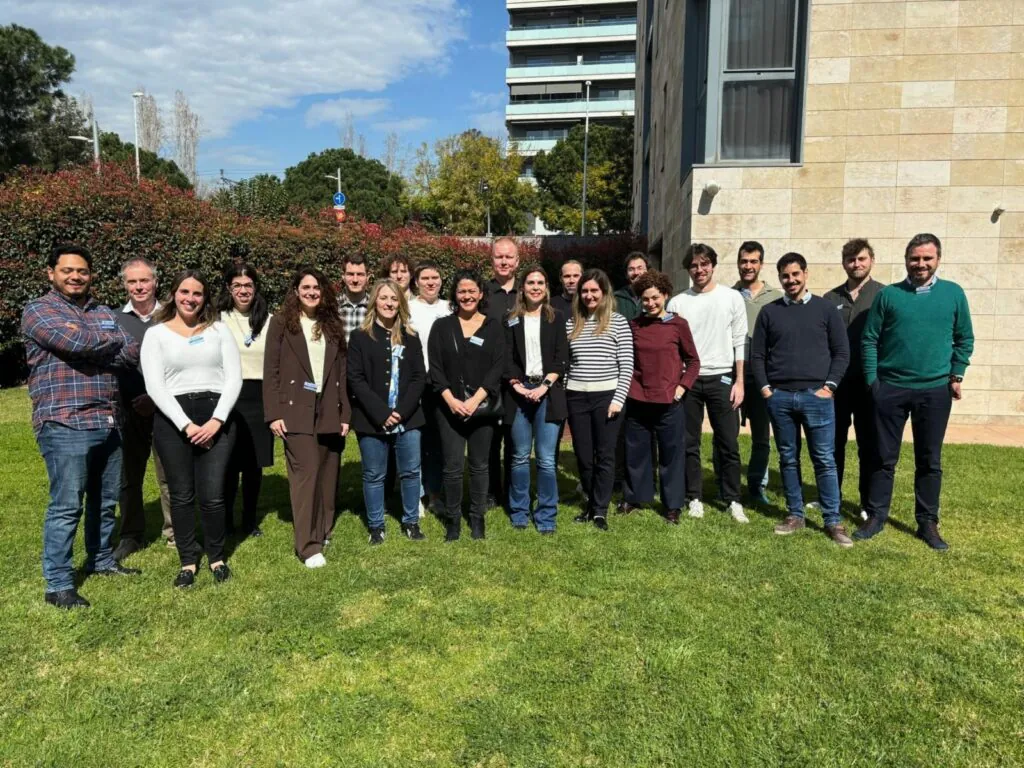
ViSS 4th general assembly in Spain: key developments and advancements
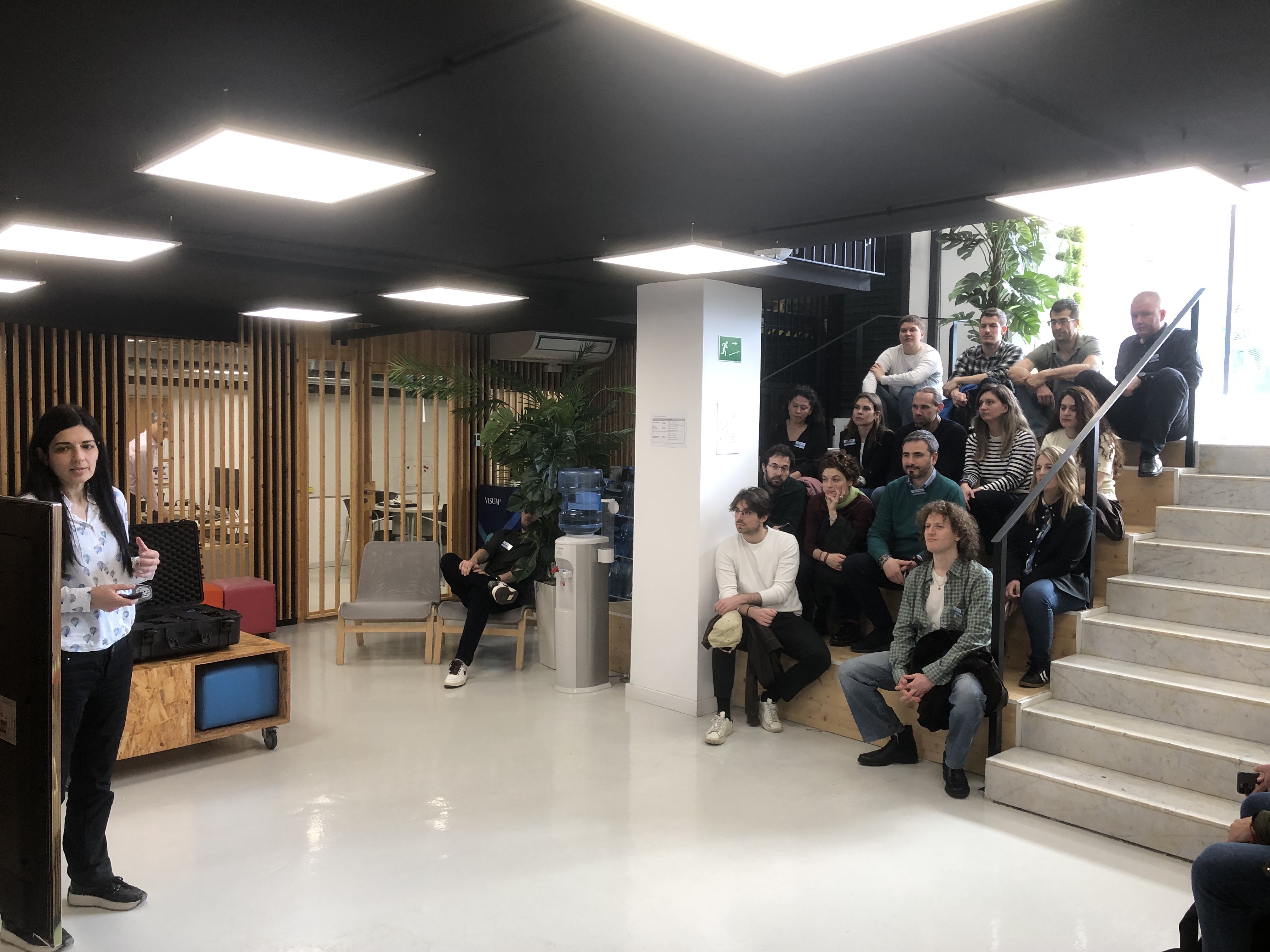
The ViSS Consortium reunited under the stunning spring skies of Barcelona. It was an exciting gathering that marked significant milestones for the partners.
The meeting also covered important technical requirements related to the project’s development. Among the key areas discussed were the residue specifications, defining the profile of the sugar and poultry composition, feedstock requirements needed for the process, additives and formulation necessary for optimal results.
It was also clarified a residue management action plan. This will included protocols for the collection, transportation, storage, and safety management.
The 4th GA continued with a visit to the IRIS Technology Solutions facilities, where we had the opportunity to deepen our understanding of our partners and their work.
Stay tuned for more exciting updates.
ViSS second newsletter
Be part of the bio-based plastics revolution and explore the path to circularity
Dear Readers,
The ViSS project continues to make significant strides in addressing the challenges of developing functional bioplastics.
With ViSS, we’re turning those challenges into opportunities.
In this second issue of our newsletter, we’re excited to share the ViSS value chain directly from our partners’ perspectives.
Fourteen insightful videos highlight the journey we’ve taken to transform waste materials into bioplastics, focusing on both innovation and the practicality of our methodologies.
Our recent consortium meeting, held in Seville on October 6th, provided an opportunity for partners to come together, exchange updates, and share best practices.
We’re also pleased to announce the launch of a new social media channel – Facebook! This platform will offer a fresh way to stay updated on ViSS project milestones, events, and news.
Join us as we continue to innovate and push the boundaries of sustainable plastic solutions!
Chiara Locuratolo & Ludovica Guerrieri
ViSS communication officers,
Fondazione ICONS
Read ViSS #2 newsletter online here.
If you haven’t signed up yet, subscribe here.

ViSS is now on Facebook
ViSS newly joins another social media channel to raise awareness on sustainable food packaging
The project’s partners have decided to embark on a new journey by launching a ViSS Facebook page. The initiative is intended to diversify the project’s social media presence. Supporting the work of the already active LinkedIn page, Facebook will be useful to keep track of the project’s updates and activities.
Beyond reaching a wider and different audience, Facebook will enhance the project’s visibility while fostering connections with the broader European community of bioeconomy projects.
ViSS remains committed to raising awareness about biodegradable materials for food packaging and developing a circular value chain – from raw materials to final product. Our circular approach also underpins the chain of events happening within ViSS: updates and activities are shared on our social media channels to reach a wider public.
Stay updated on the project’s next steps and follow our Facebook page!
Picture credits: Freepik