


ViSS fourth newsletter
Embark on a journey to explore innovative bio-based plastics with ViSS newsletter.
Dear readers,
Step by step, the ViSS project continues to move forward in its mission to create safe, sustainable, and fully biodegradable packaging solutions.
In early September, the ViSS consortium was hosted by Helian Polymers, in the Netherlands. This key meeting provided the opportunity to reflect on progress, share insights, and align strategies for the next stage of development.
One of the notable achievements so far has been the successful production of PHBV with up to 30% hydroxyvalerate (HV) – a significant innovation within the PHA industry. This high HV content enhances the material’s flexibility and processability, making it particularly well-suited for a range of packaging applications. It represents a novel development that sets ViSS apart in the field of bioplastics.
Currently, the project is focused on developing three packaging formats:
1) Flexible
2) Semi-flexible
3) Mesh-based
All are designed to be biodegradable, recyclable, and safe for use, with early prototypes already tested by the consortium partners. Results so far have been very promising, reinforcing the potential of PHBV as a sustainable alternative to conventional plastics.
Beyond R&D, ViSS continues to engage with the wider community:
- Participating in international sustainability events;
- Gaining visibility through EU dissemination platforms;
- Supporting environmental initiatives, such as beach clean-ups.
Thank you for following our progress! The coming months will bring further developments that we look forward to sharing with you. Read ViSS #4 newsletter online here.
On behalf of ViSS Consortium
and Nydia Badillo, Helian Polymers.
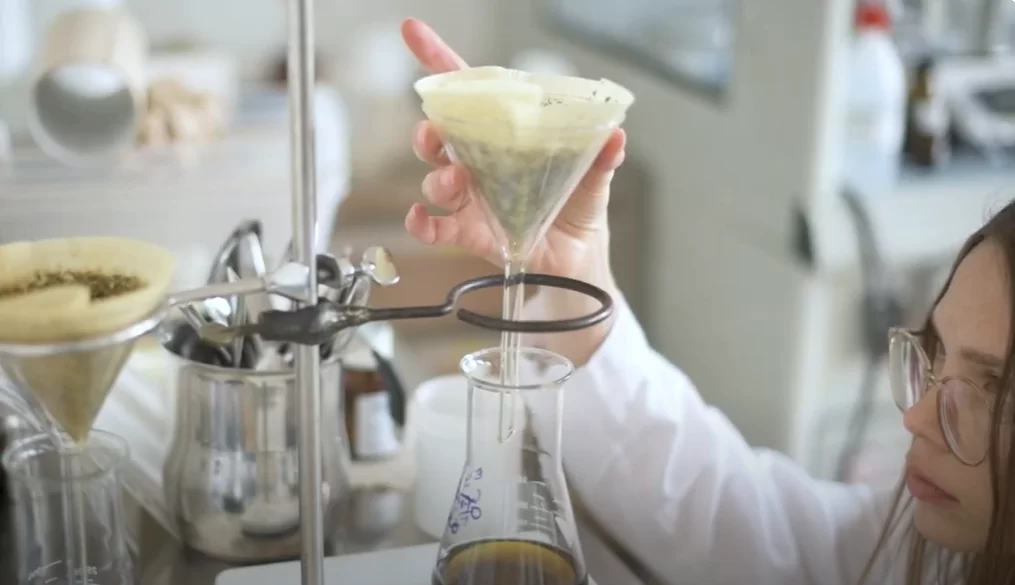
Video interviews reveal the creation of ViSS bioplastics
A series of short videos to explore the new ViSS value chain
The European project ViSS releases 14 brief interviews to explain the new biobased value chain.
These video interviews cover a fascinating transformation process, starting with the collection of industrial food residues and ending with the creation of sustainable and recyclable food packaging.
The project participants explain each phase of the process. It begins with the optimisation and upscaling of the production of PHBV, which is then formulated and compounded to achieve the required material properties. After validating the material properties, the process moves from the transformation of the PHBV compound into the target food packaging.
The effort required to create biodegradable packaging applications has not ended. To optimise and model the process, a SSbD (Safe and Sustainable by Design) framework will be applied for assessing and assuring the safety and the social, economic and environmental sustainability of the solution.
“The ViSS project will demonstrate that the shift from fossil-based plastics to biobased and biodegradable plastics is possible not only in functional terms but also from a safety and sustainability perspective” – said José Antonio Plaza, the Project Coordinator.
The project lays its foundation on a new methodological approach that involves specific actions for public engagement, targeting citizens and consumers. This is well reflected in the ViSS value chain, where the tasks’ codependency brings partners to operate in a spirit of collaboration.
Join us to discover how ViSS bioplastics are created.
Watch, learn and connect the pieces with our project partners.
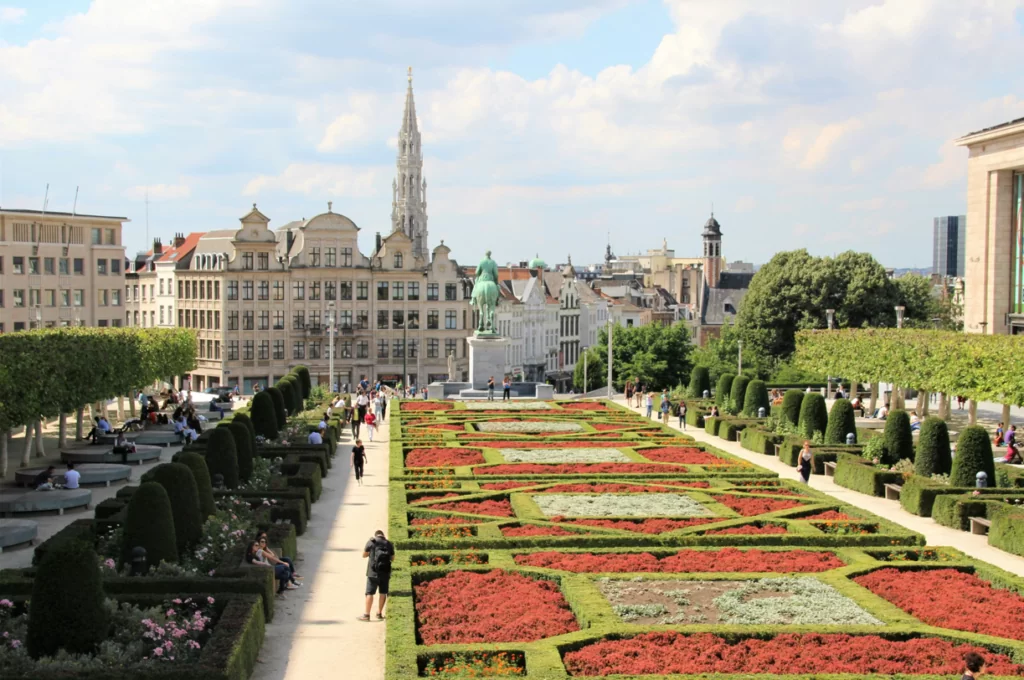
The World Circular Economy Forum (WCEF)
The European project ViSS will be attending the event that will take place on April 19th, in Brussels
One of the topics that will be discussed during the upcoming World Circular Economy Forum (WCEF), within the Innovation Forum 4 Plastics, is concerning innovative solutions for designing and managing sustainable plastic food packaging.
This event is an excellent opportunity for different EU research and innovation projects to share their ideas and opinions on the challenges of plastic waste. By attending the forum, ViSS hopes to expand its network and gain valuable insights from other projects to maximize the sustainable and circular management and use of natural resources.
Ph: Sergio Otoya
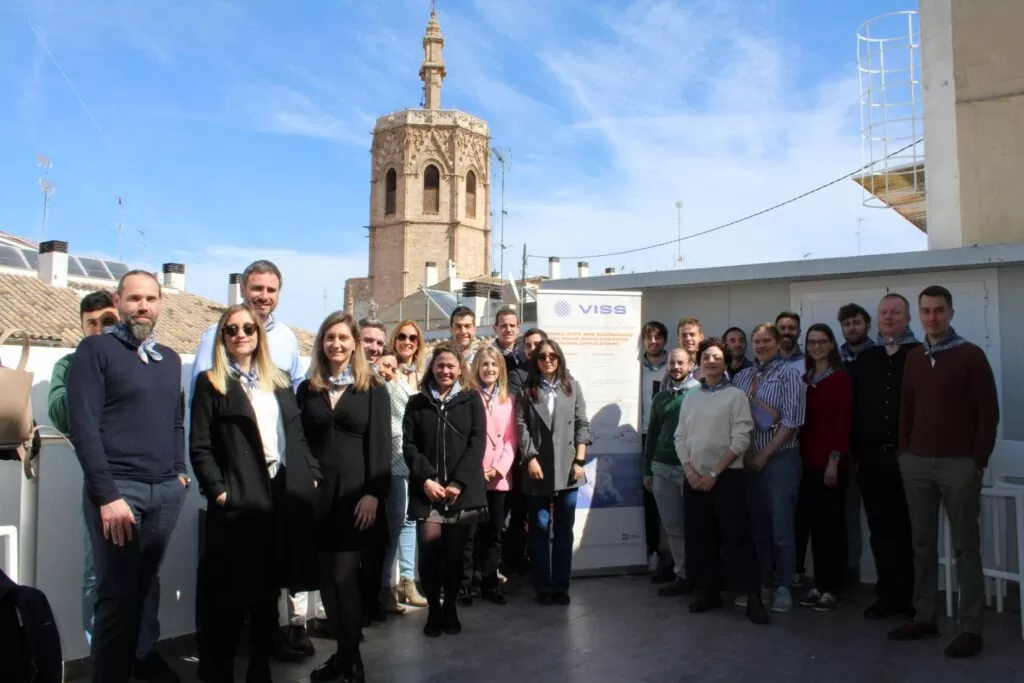
The ViSS value chain is making its first steps
At the first sign of the upcoming spring, the second General Assembly of the European project took place in Valencia on March, 6 and 7th
The meeting served as a fruitful occasion for partners to share updates, exchange ideas and pave the way towards the next phase of the project. More specifically, ViSS partners had the opportunity to look more in detail at the technical specifications required for the ViSS value chain. They also discussed processes to optimize PHBV production, considering the industrial upscaling necessary to facilitate decision-making.
The Consortium had also the chance to go through the principles and categories of the Safe and Sustainable by Design (SSbD) Framework, as well as the development of the ViSS ICT platform.
The second day began with two interesting workshops, one, aimed to introduce the methodology towards the identification of the Key Exploitable Results library and, the second one, covered data and ethics requirements. All partners were then interviewed in videos to raise awareness of their contribution throughout the new ViSS value chain.
In line with the project’s mission, these two-day meetings revamped the partners’ full dedication to make the necessary technical steps ahead and towards the establishment of the new value chain of the ViSS project.